Adult Work Moscow: Resources for Victims of Abuse and Exploitation
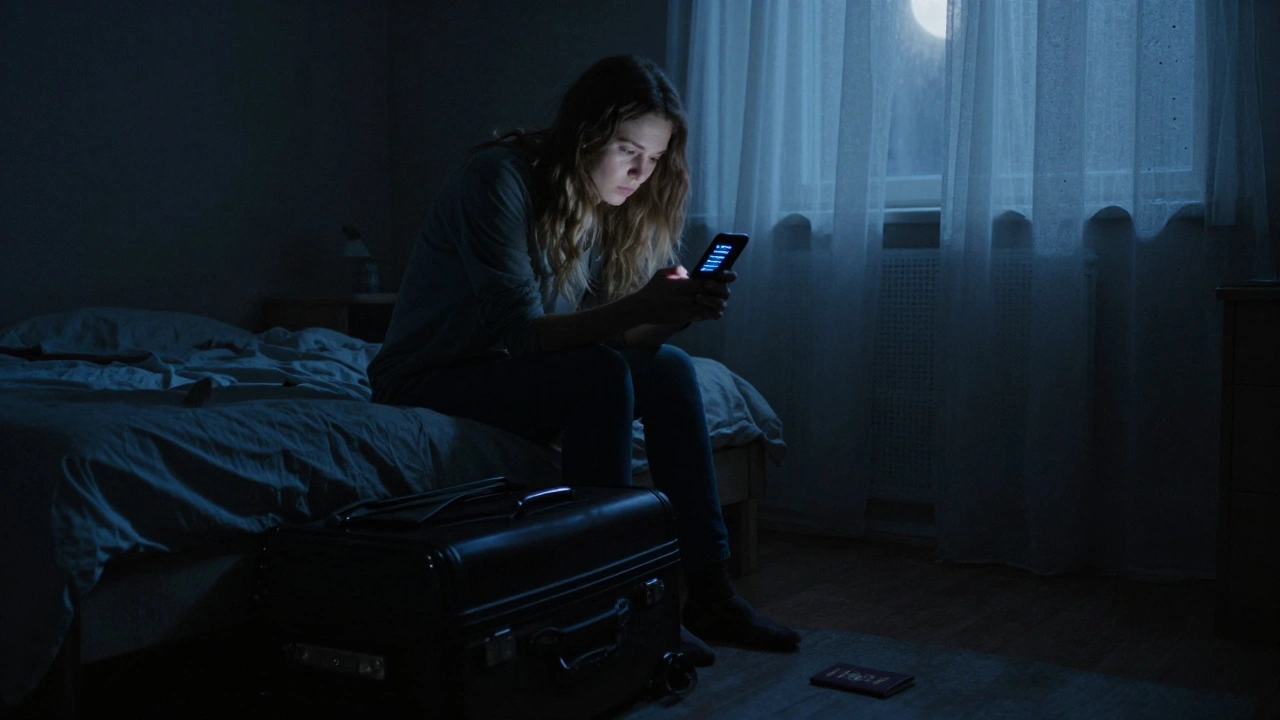
Every day in Moscow, women and men enter the adult work industry under false promises-good pay, safe conditions, freedom. But for many, it turns into something darker: coercion, violence, debt traps, and isolation. If you or someone you know is trapped in this system, help is available. This is not about judgment. It’s about survival. And survival starts with knowing where to turn.
What Adult Work in Moscow Really Looks Like
Adult work in Moscow isn’t just about advertising on sites like AdultWork. It’s a complex web of brokers, fake agencies, and online platforms that mask exploitation as entrepreneurship. Many are lured from other Russian cities or even neighboring countries with promises of $3,000 a month. But when they arrive, their passports are taken. Rent is charged at $800 a week. Every client payment is split 70/30-in favor of the manager. If you complain, you’re threatened with deportation, public shaming, or worse.
According to data collected by Russian human rights groups between 2022 and 2025, over 68% of individuals working under these conditions reported physical violence, and 82% were denied access to medical care. These aren’t outliers. They’re the norm.
Where to Find Immediate Help in Moscow
If you’re in danger right now, call the Russian Emergency Hotline for Victims of Trafficking: 8-800-200-01-22. It’s free, anonymous, and available 24/7. Operators speak Russian, English, and several Central Asian languages. They can connect you with safe housing, legal aid, and medical care-even if you don’t have documents.
Two organizations operate openly in Moscow with proven track records:
- Center for the Protection of Women’s Rights - Located in the Krasnoselsky District, they offer emergency shelter, trauma counseling, and help filing police reports. They’ve assisted over 1,200 people since 2020.
- Safe Passage Moscow - A grassroots group that runs a hidden network of safe apartments. They help people leave the industry, apply for relocation grants, and access temporary work permits under humanitarian status.
Neither of these groups asks for ID. You don’t need to be a Russian citizen. If you’re scared, you’re still eligible.
How to Leave Without Getting Hurt
Leaving is the hardest part. Brokers monitor phones. They track movements. They know your routines. That’s why planning matters more than courage.
- Save small amounts of cash-$20 here, $50 there. Don’t keep it in your room. Bury it in your shoe, hide it in a food container.
- Find a phone you can use without being watched. Buy a cheap burner from a kiosk. Use it only once a day, at a public library or café.
- Contact Safe Passage Moscow via their encrypted messaging service (details on their website). They’ll assign you a case worker who will guide you step by step.
- Do not confront your manager. Do not argue. Just disappear. The moment you say you’re leaving, your life could be in immediate danger.
- Once you’re safe, ask for a referral to the Federal Migration Service. You may qualify for a temporary humanitarian visa if you’re cooperating with authorities.
Many people think they’ll be arrested. That’s a lie spread by traffickers. Russian law protects victims of trafficking-even those who entered the industry willingly under false pretenses. You are not a criminal. You are a survivor.
Legal Rights You May Not Know You Have
Even if you signed a contract, it’s not legally binding if it was signed under threat, deception, or without understanding the language. Russian courts have thrown out over 230 such contracts since 2021.
You have the right to:
- Speak to a lawyer without your employer present
- Request a medical examination to document injuries
- File a report with the Ministry of Internal Affairs’ Anti-Trafficking Unit
- Apply for financial compensation from the state if you can prove exploitation
Legal aid is free. You don’t need to speak perfect Russian. Organizations like the Moscow Legal Aid Collective provide interpreters and will represent you in court at no cost.
What Happens After You Escape
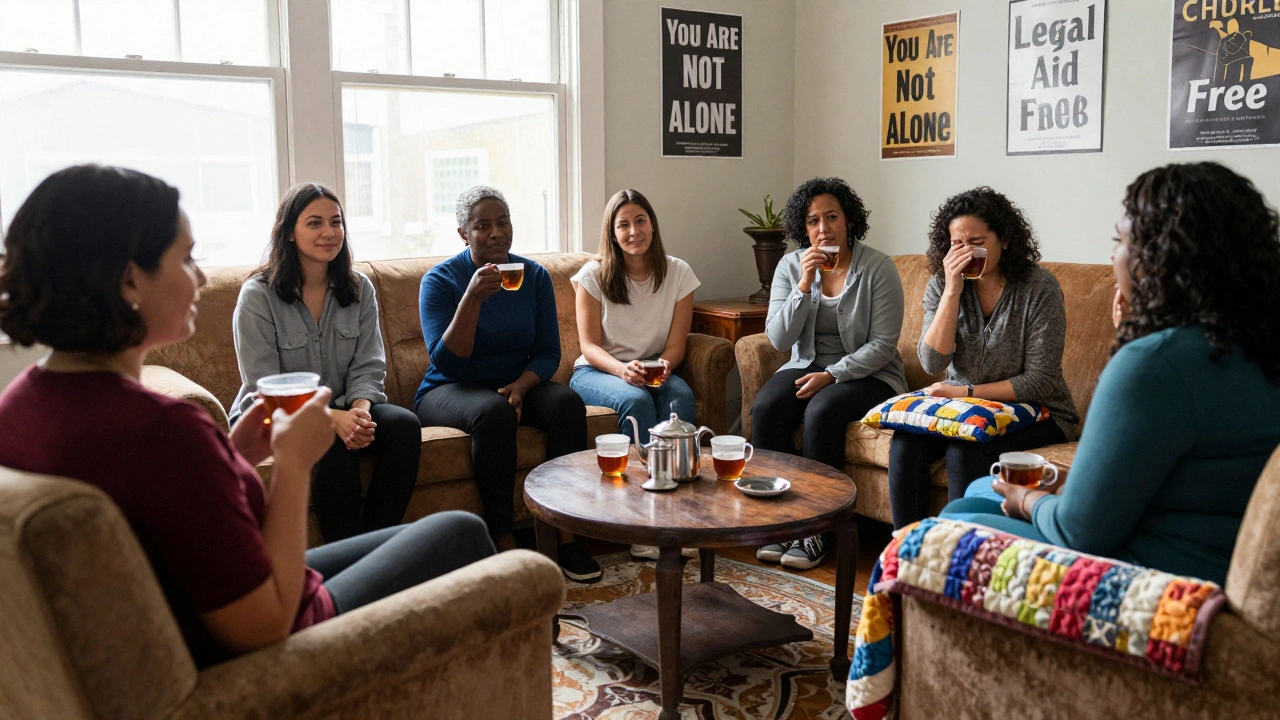
Recovery isn’t instant. Many survivors struggle with PTSD, depression, and shame. But support exists.
Center for the Protection of Women’s Rights offers weekly therapy groups. Safe Passage Moscow helps with job training-cleaning services, hospitality, translation work. Some women have gone on to become peer counselors. Others have moved to other countries with resettlement grants.
One woman, Maria, escaped in late 2023. She was 21, from Belarus. She spent six months in hiding. Then she got a job at a bakery. Today, she runs a small support group for others who’ve left the industry. “I didn’t think I’d ever feel safe again,” she told me. “But I did. And you can too.”
How to Help Someone Else
If you know someone in Moscow who’s in adult work and seems trapped, don’t confront them. Don’t pressure them. Instead:
- Send a text: “I care about you. Call this number if you need help: 8-800-200-01-22.”
- Leave printed flyers with the number in public restrooms, laundromats, or bus stops.
- Donate to Safe Passage Moscow or the Center for the Protection of Women’s Rights. Even $20 buys a bus ticket out of a dangerous area.
- Share this information. Not on social media-where it could be traced. Print it. Hand it out.
Many victims never ask for help because they think no one will believe them. Your quiet action might be the only lifeline they have.
Why This Isn’t Just a Moscow Problem
Adult work exploitation in Moscow is part of a larger pattern across Eastern Europe and Central Asia. Similar networks operate in St. Petersburg, Kazan, and even in cities like Minsk and Tashkent. But Moscow is unique because it’s a hub for international clients-and the most dangerous place for those trying to escape.
What makes it worse is silence. No one talks about it. No one reports it. The police often side with the brokers. The media ignores it. But survivors are speaking up-and change is starting.
Final Words: You Are Not Alone
If you’re reading this and you’re in Moscow, you’re not weak. You’re not dirty. You’re not to blame. You survived a system designed to break you. And now, you have a choice: stay hidden, or reach out.
There are people who will believe you. There are places where you can be safe. There is a future that doesn’t include fear.
Call 8-800-200-01-22 today. Just once. That’s all it takes to begin.
Can I get help in Moscow if I don’t have a passport or ID?
Yes. Organizations like the Center for the Protection of Women’s Rights and Safe Passage Moscow do not require any form of identification to provide shelter, medical care, or legal aid. Your safety matters more than your paperwork.
Will the police arrest me if I report abuse?
No. Under Russian law, victims of trafficking are protected from prosecution-even if they were involved in sex work. The law targets the traffickers, not the victims. If you’re threatened by police, ask to speak to the Anti-Trafficking Unit. They are trained to handle these cases.
Can I leave Russia after escaping?
Yes. Many survivors receive humanitarian relocation support through international NGOs working with Russian partners. Programs exist for people from Ukraine, Belarus, Uzbekistan, and other countries. You can apply for temporary asylum or resettlement without needing a visa first.
What if I’m scared to call the hotline?
It’s normal to be scared. The hotline operators are trained to listen without judgment. You can stay anonymous. You don’t have to give your name. You don’t have to say where you are. Just say, “I need help.” They’ll guide you from there.
Are there online resources I can use safely?
Use public Wi-Fi at libraries or cafes to visit the websites of Safe Passage Moscow or the Center for the Protection of Women’s Rights. Avoid using your personal phone or home internet. These organizations use encrypted messaging and will never ask for your location unless you’re ready to share it.
Next Steps: What to Do Right Now
If you’re in danger:
- Call 8-800-200-01-22 immediately
- Text a trusted friend: “I need help. I’m not okay.”
- Go to the nearest public place-library, café, hospital
- Ask for the nurse or librarian: “Can you help me call someone?”
If you’re helping someone:
- Print and distribute the hotline number
- Donate to Safe Passage Moscow or the Center for the Protection of Women’s Rights
- Share this article with people who might need it-quietly, safely
You are not alone. Help is real. And it’s waiting.