Escort Work Financial Planning: Saving, Investing, and Retirement

Working as an escort in the UK doesn’t mean you have to live paycheck to paycheck. In fact, many who do this work long-term are some of the most financially savvy people they know. The income can be high, but it’s unpredictable. That’s why saving, investing, and planning for retirement isn’t optional-it’s essential. If you’re serious about building real security, you need a system. Not a dream. A plan.
Understand Your Income Reality
Most escorts don’t earn the same amount every week. Some weeks you might book five clients. Others, you might book none. That’s normal. But treating your income like a steady salary is how people end up broke. You need to think in averages. Look at your last six months. Add up your total earnings. Divide by six. That’s your real monthly income-not the high week, not the low week. Use that number to budget.
For example, if you made £12,000 over six months, your average monthly income is £2,000. That’s your baseline. Anything above that is bonus. That’s what you save or invest. Anything below? You cover it with your emergency fund.
Build an Emergency Fund First
You don’t have an employer backing you. No sick pay. No holiday pay. If you get sick, you don’t work. No income. That’s why your first financial goal isn’t investing. It’s saving £3,000 to £5,000 in a separate, easy-access savings account. This isn’t for shopping. This isn’t for travel. This is your safety net. Use it only if you can’t work for more than two weeks-due to illness, legal issues, or a sudden drop in bookings.
Start small. Even £50 a week adds up to £2,600 in a year. Open a high-interest savings account with a bank like Monzo or Starling. They let you set up automatic transfers. Set it up so every time you get paid, £50 or £100 goes straight into savings before you even see the money. Out of sight, out of mind.
Pay Yourself First-Then Tax
When you get paid, the first thing you do isn’t pay your bills. It’s pay yourself. Take 20% of every payment and put it into a separate account. This is your savings and investment bucket. The rest? That’s your spending money. Rent, groceries, transport, phone, makeup, clothes-all come out of the remaining 80%.
And don’t forget tax. If you’re self-employed, you owe income tax and National Insurance. You’ll need to file a Self Assessment return every year. HMRC gives you until January 31st to pay what you owe. But don’t wait until then. Set aside 25% of every payment for taxes. Put it in a separate account. If you do this, you won’t be shocked when the bill comes. If you don’t, you’ll be stuck borrowing money at high interest just to pay HMRC.
Start Investing Even If It’s Small
You don’t need £10,000 to start investing. You need consistency. Even £100 a month can grow into something meaningful over time. The best place to start is a Stocks and Shares ISA. It’s tax-free. You can put up to £20,000 a year in. Any growth, any dividends-you keep it all. No tax.
Use a platform like Vanguard, Nutmeg, or Fidelity. Pick a low-cost, diversified fund. Something like the Vanguard LifeStrategy 80% Equity Fund. It holds hundreds of companies across the world. You don’t need to pick stocks. You don’t need to time the market. You just need to keep adding money every month. Even if the market drops, keep going. That’s when you buy more shares for less. That’s how you build wealth.
Set up a direct debit. £100 a month. For five years. That’s £6,000 invested. At an average 7% annual return, you’ll have over £7,500. In ten years? Over £17,000. That’s not magic. That’s compound growth. And it works whether you’re an escort, a teacher, or a nurse.
Plan for Retirement Like a Business Owner
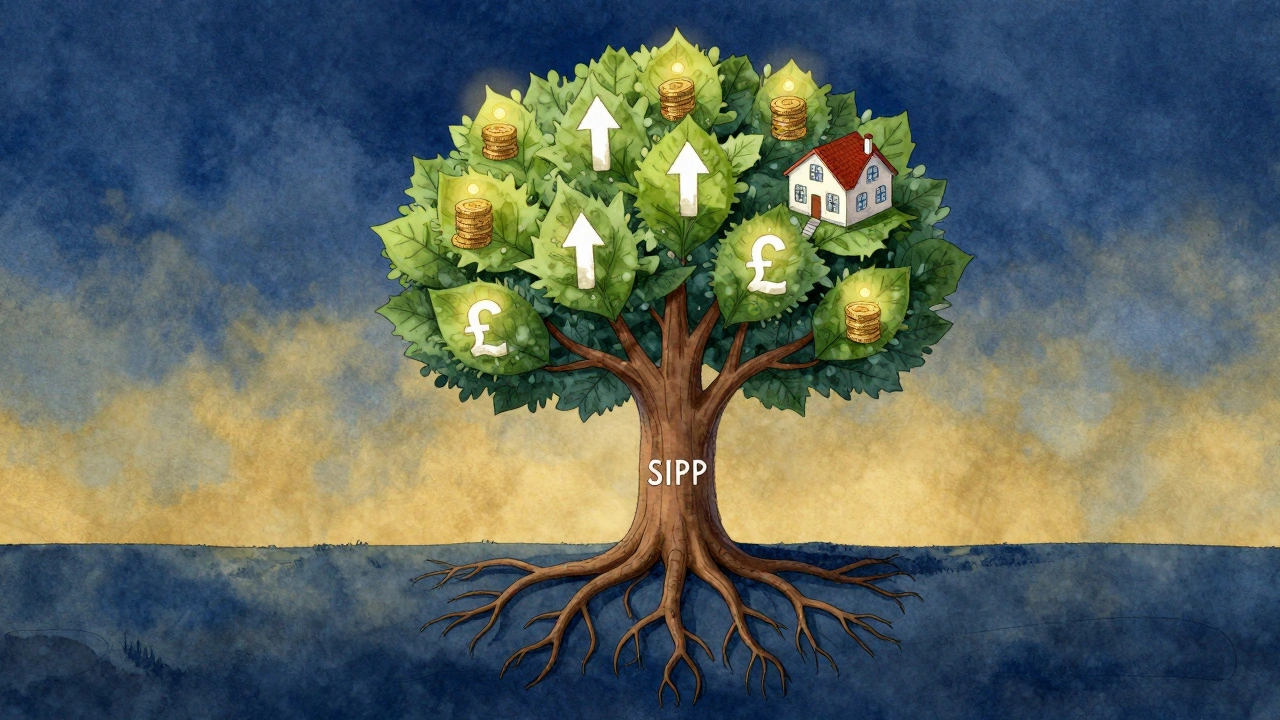
Most people think retirement means a pension from a company. You don’t have one. So you build your own. A Self-Invested Personal Pension (SIPP) is your best tool. It’s like a Stocks and Shares ISA, but with tax relief. For every £100 you put in, the government adds £25. If you’re a higher-rate taxpayer, you can claim even more back through your tax return.
Let’s say you put £200 a month into a SIPP. That’s £2,400 a year. With 20% tax relief, the government adds £600. Your total contribution becomes £3,000. Over 20 years, at 6% growth, that’s over £120,000. And you can start taking it from age 55 (rising to 57 in 2028). That’s not enough to live on alone, but combined with your state pension and other savings? It gives you real choice.
Don’t wait until you’re 40. Start now. Even if you can only afford £50 a month. That’s £600 a year. With tax relief, it’s £750. In 20 years? Over £30,000. That’s freedom.
Protect Your Future
You need insurance. Not the kind that covers your phone. The kind that covers your life. Income protection insurance pays you if you can’t work due to illness or injury. It’s not cheap, but it’s worth it. Look for policies that cover you for long-term incapacity. Some insurers won’t cover sex workers. That’s okay. Look for specialist brokers. Companies like Markel or BIBA have options.
Also, think about life insurance. If you have someone depending on you-family, a partner, a child-make sure they’re covered. A £150,000 policy can cost as little as £15 a month. It’s not about death. It’s about security.
Keep Your Finances Separate
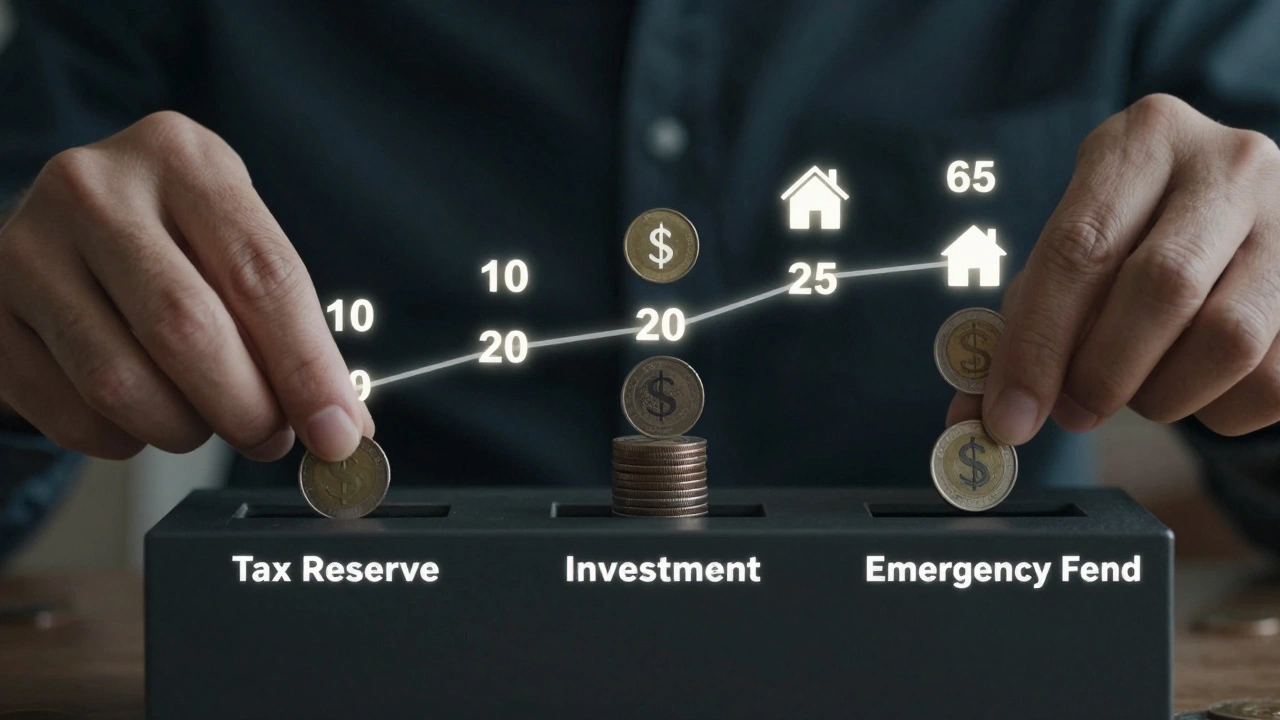
Use separate bank accounts. One for income. One for taxes. One for savings. One for spending. Don’t mix them. If you do, you’ll lose track. And if HMRC ever asks for your records, you need to show clear separation. Use apps like YNAB or Moneyhub to track everything. They link to your bank and categorise spending automatically.
Never use your escort income to pay for personal luxuries without planning. That’s how people end up with no savings at 50. You’re not just earning money. You’re building a business. Treat it like one.
What to Avoid
- Don’t use credit cards to cover gaps in income. High interest will eat your profits.
- Don’t invest in crypto or ‘get rich quick’ schemes. They’re gambling, not planning.
- Don’t rely on a partner to support you later. Financial independence isn’t a luxury-it’s your safety.
- Don’t ignore your tax obligations. HMRC doesn’t care what you do for work. They care that you pay.
Final Thought: You’re Worth More Than a Session
Your work gives you income now. But your future is worth more. Every £100 you save today isn’t just money. It’s freedom. It’s the ability to walk away when you’re ready. It’s the chance to retire with dignity, not desperation. You don’t have to stay in this work forever. But if you do, you deserve to do it on your terms-with control, with security, with peace of mind.
Can escorts get a mortgage in the UK?
Yes, but it’s harder. Some lenders won’t accept escort income. Others will, if you can show three years of consistent, declared income through Self Assessment tax returns. You’ll need a larger deposit-usually 15-25%. Work with a specialist mortgage broker who understands self-employed and non-traditional income. They know which lenders are open to it.
Do I need to declare escort income to HMRC?
Yes. All income from self-employment is taxable in the UK, regardless of the industry. Failing to declare it is tax evasion. HMRC can access bank records, payment apps, and even social media activity. If you’re caught, you’ll owe back taxes, penalties, and interest. It’s not worth the risk. File your Self Assessment every year. Keep records of all income and expenses.
How do I save when my income is irregular?
Use your six-month average as your baseline. Pay yourself first-set aside 20% of every payment for savings and investments. Keep a buffer account for lean months. If you earn more than your average, put the extra into savings. If you earn less, use your emergency fund. This keeps you stable. Never spend your bonus. Save it.
Is it too late to start saving if I’m over 40?
No. It’s never too late. Even starting at 45, saving £300 a month into a SIPP with tax relief can give you over £70,000 by 65. You won’t be rich, but you’ll have options. You’ll avoid relying on benefits or family. You’ll have control. Start now. Even £50 a month makes a difference over 20 years.
Can I use a financial advisor who understands my work?
Yes. Look for independent financial advisors (IFAs) who work with self-employed clients or those in non-traditional industries. Some firms specialise in helping sex workers, performers, and freelancers. Ask for references. Make sure they’re regulated by the FCA. A good advisor will help you build a plan that works with your income pattern-not against it.