How Technology Is Changing Adult Work in Moscow: Apps, Safety, and Privacy

When you think of adult work in Moscow, you might picture old-school street corners or phone numbers passed in secret. But that’s not the reality anymore. Today, most sex workers in Moscow rely on apps, messaging platforms, and private websites to find clients. Technology has changed everything-how they work, who they meet, and how safe they feel doing it. But with these tools come new risks. Privacy leaks, scams, and surveillance are real. This isn’t about judgment. It’s about survival in a city where the rules are unclear and the stakes are high.
Apps Have Replaced the Streets
In 2025, over 80% of adult workers in Moscow use apps to connect with clients. Platforms like Telegram, WhatsApp, and local dating apps like Mamba and Tinder are the new storefronts. Some use specialized sites like AdultWork Moscow, but most avoid public directories. Why? Because those sites get flagged by police, and clients get arrested. Telegram channels, however, are harder to track. Workers create private groups, share only verified client numbers, and use encrypted messages. One worker, Anna, told me she hasn’t worked the streets in five years. ‘I get three to five clients a week through Telegram. I know their names, their cars, their routines. I feel safer than I ever did on the street.’
But apps aren’t perfect. Many workers get scammed. Fake profiles, stolen photos, and ‘test’ meetings that turn into theft are common. Some clients record videos and threaten to post them unless they’re paid more. Others show up drunk or violent. There’s no official way to report these incidents without risking arrest. So workers rely on word-of-mouth networks. If someone’s flagged as dangerous, the info spreads fast-through encrypted chats, voice notes, or coded messages like ‘blue car, no windows’.
Safety Is a Constant Calculus
Safety in Moscow’s adult work scene isn’t about having security guards or panic buttons. It’s about habits. Most workers never meet clients alone in their apartments. They pick public places first-cafes, hotel lobbies, or even parked cars in well-lit parking garages. They check IDs, ask for proof of address, and always tell a friend where they’re going. Some use GPS trackers hidden in their bags. Others record audio during meetings, just in case.
One big change: more workers now use fake names. Not just aliases-real ones. They use documents under different names to rent apartments, open bank accounts, or even register for mobile plans. It’s not easy. Russian banks require real ID, so many use friends’ or family members’ papers. Others pay cash for prepaid SIM cards bought in different districts. It’s messy, but it works. A 2024 survey by a Moscow-based human rights group found that 62% of workers who used fake identities reported fewer harassment incidents.
Still, the police don’t care if you’re using a fake name. They care if you’re working. And they still raid apartments, especially in areas like Khimki, Lyubertsy, or the outskirts near the MKAD. Workers who use apps are often targeted because their digital footprints are easier to trace than street-based workers. One worker lost her apartment after police found her client list on a phone she thought was wiped. She had to move three times in six months.
Privacy Is the New Currency
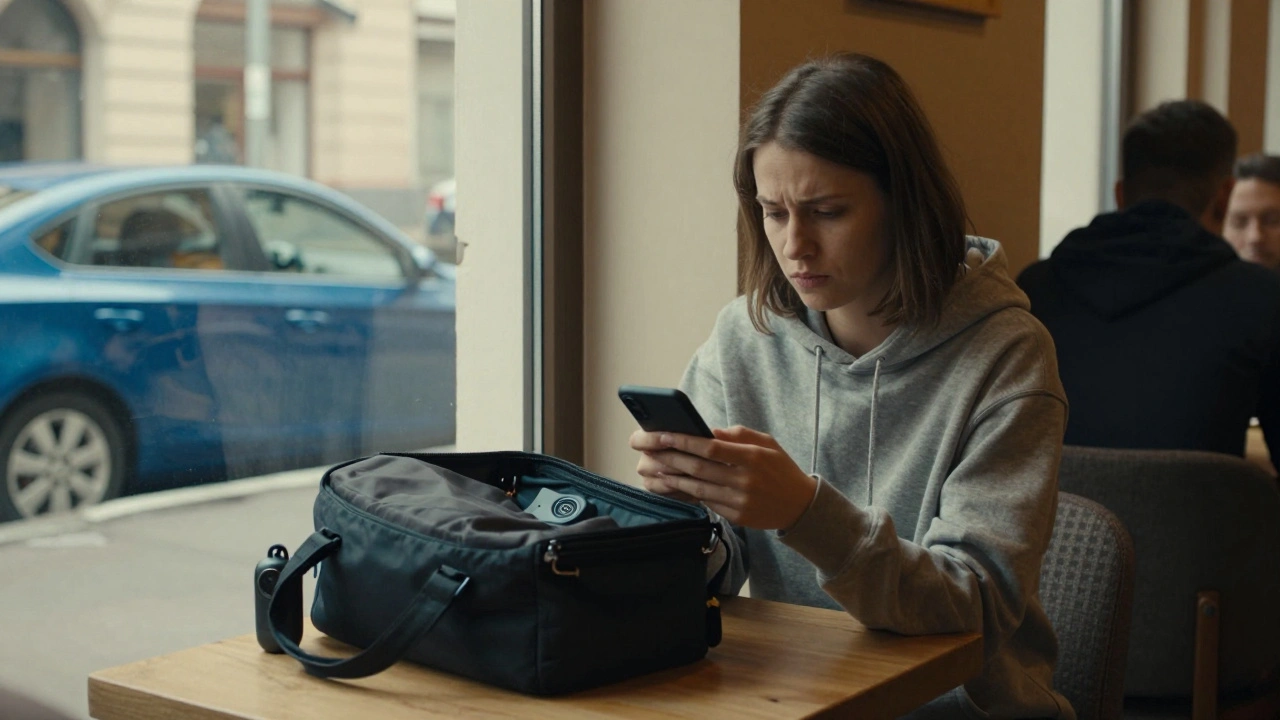
Privacy isn’t just about hiding your face. It’s about controlling every digital trace. In Moscow, your phone number, your location history, your payment details-all of it can be used against you. Many workers now use burner phones. They buy them with cash, activate them with fake names, and throw them away after a few weeks. They use cryptocurrency for payments. Bitcoin and Monero are popular because they leave no paper trail. Some use peer-to-peer apps like LocalBitcoins or Paxful to swap cash for crypto without a bank.
They avoid social media. No Instagram. No Facebook. No TikTok. Even posting a selfie in a new outfit can be dangerous. Clients have been caught using reverse image searches to track down workers. One woman in Otradnoye was recognized from a photo she posted on a private group. Her husband found it. She lost her job, her apartment, and her children’s custody case.
Even VPNs aren’t enough anymore. Russian law requires all internet providers to store user data for six months. So many workers use Tor browsers, avoid logging into any personal accounts while working, and never use the same device for both personal and professional use. Some even use old laptops bought secondhand, wiped clean, and never connected to Wi-Fi. They use mobile hotspots from different providers. It’s exhausting. But it’s the only way to stay hidden.

The Hidden Cost of Convenience
Technology makes adult work easier-but it also makes it more isolating. In the past, workers gathered in parks or cafes between appointments. They shared tips, warned each other about bad clients, and offered emotional support. Now, most communication happens through encrypted messages. There’s no face-to-face talk. No coffee breaks. No community.
Younger workers, especially those under 25, feel this most. They grew up with apps. They don’t know how to ask for help. They don’t know who to trust. Some turn to online forums, but those are full of scammers posing as mentors. Others try to join Telegram groups, but many are monitored by police informants. There’s no official support network. No helplines. No NGOs willing to step in. The few that do risk being shut down under Russia’s ‘foreign agent’ laws.
And then there’s the mental toll. Constant vigilance wears you down. You never relax. You check your phone every five minutes. You second-guess every message. You wonder if your neighbor is watching. If your landlord is reporting you. If your bank will freeze your account next week. One worker, 28, told me: ‘I’m not scared of the police. I’m scared of being forgotten.’
What’s Next?
Technology isn’t going away. It’s only getting smarter. AI chatbots are being used to screen clients before meetings. Facial recognition software is being tested in hotel lobbies to flag known workers. Some workers are experimenting with decentralized platforms-blockchain-based directories that don’t store personal data. But these are still experimental. Most are too slow, too complex, or too expensive.
For now, the best strategy is simple: stay low, stay private, stay connected to trusted networks. Use encrypted tools. Never trust a client just because they seem nice. Always have an exit plan. And if you can, find someone to talk to-even if it’s just once a month. You’re not alone, even if it feels like it.
Adult work in Moscow has always been risky. But now, the risks are digital. And they’re harder to see until it’s too late.
Are apps safer than working on the street in Moscow?
For many, yes-but only if they use them correctly. Apps let workers screen clients, avoid dangerous areas, and control their schedules. But they also leave digital traces that police and scammers can exploit. Street work is more visible, but less traceable. The safest workers use a mix: app-based screening, then in-person meetings in public, low-surveillance locations.
Can police track adult work apps in Moscow?
Yes. Russian law requires telecom providers to store user data, including messages and location. Apps like Telegram are encrypted, but if your phone is seized or hacked, your chats can be accessed. Police also use facial recognition in public places and cross-reference photos from apps with ID databases. Workers who use real names, personal photos, or unencrypted messages are at high risk.
How do adult workers in Moscow protect their privacy?
They use burner phones, fake names, cash payments, and cryptocurrency. Many avoid social media entirely. They use Tor browsers, avoid logging into personal accounts while working, and never use the same device for both personal and professional use. Some use old, secondhand laptops wiped clean and connect only through mobile hotspots from different providers.
Is it safe to use AdultWork Moscow today?
It’s risky. AdultWork Moscow is a public directory, and police actively monitor such sites. Clients listed there are more likely to be targeted in raids. Most experienced workers avoid it. They use private Telegram groups or encrypted messaging apps instead. If you use AdultWork Moscow, assume your information is being logged.
What should I do if I’m being blackmailed by a client in Moscow?
Don’t pay. Don’t respond. Save all messages as evidence. Contact a trusted friend or worker network immediately. If you have recordings or screenshots, keep them offline. Do not delete them-police may need them later. There are no official helplines in Russia, but some underground groups offer anonymous advice through encrypted channels. Search for ‘Moscow worker support’ in Telegram, but only join groups recommended by people you trust.
Can I use a VPN to stay safe while working in Moscow?
VPN alone won’t protect you. Russian law requires ISPs to log traffic, and many VPNs are blocked or monitored. Some workers use Tor or combination tools like Tor + encrypted messaging + burner devices, but even that isn’t foolproof. The best protection is behavioral: avoid sharing personal info, don’t log into personal accounts, and never use the same device for work and private life.