Managing Taxes and Legal Paperwork for People in Escort Work in the UK

If you’re working as an escort in the UK, you’re running a business. That means you’re responsible for taxes, records, and legal compliance - just like any other self-employed person. But unlike a shop owner or freelance designer, you’re dealing with stigma, confusion, and outdated assumptions about what’s legal. The truth? It’s perfectly legal to earn money from escort work in the UK, as long as you’re not soliciting in public, running a brothel, or forcing anyone into it. What’s not legal is ignoring your tax and paperwork duties.
You’re Self-Employed - Here’s What That Actually Means
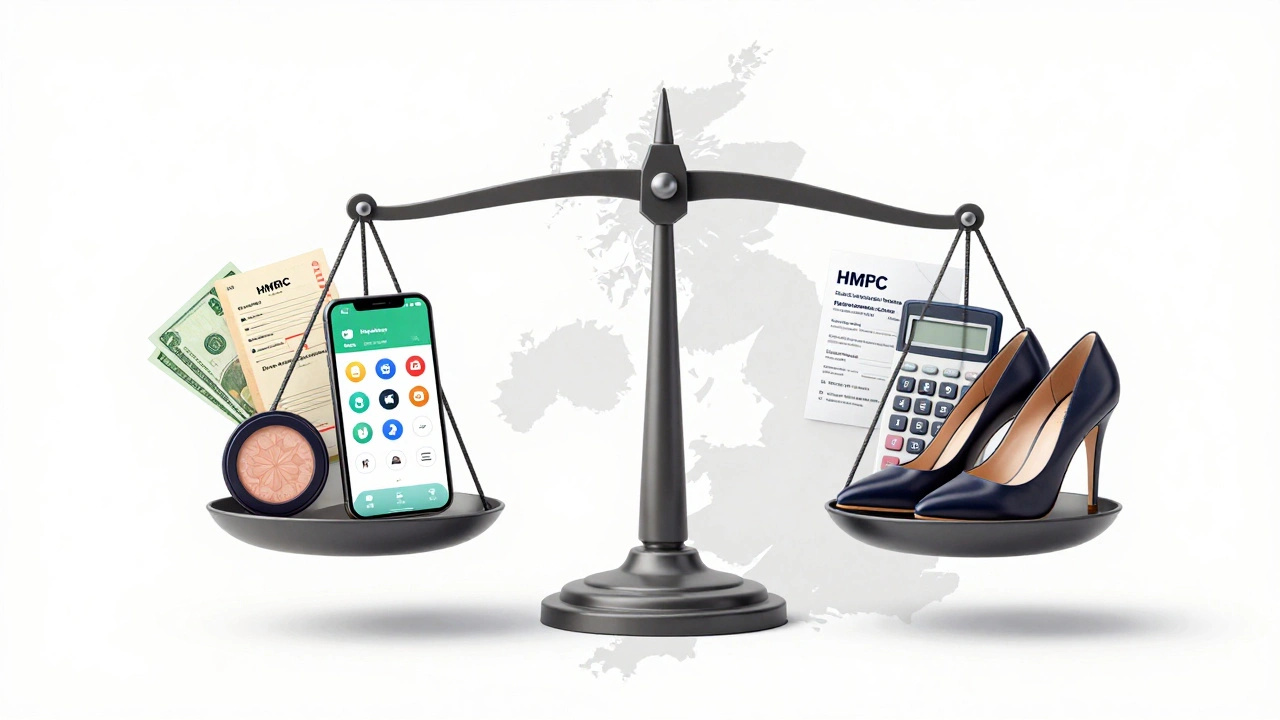
The HMRC doesn’t care if your work is called ‘escorting,’ ‘companionship,’ or ‘modeling.’ If you’re taking money directly from clients, setting your own hours, and deciding where and how you work, you’re self-employed. That means you must register with HMRC as a sole trader within three months of starting. Missing that deadline means a £100 fine, even if you haven’t made any money yet.
You don’t need a business bank account, but you absolutely need to track every penny that comes in and goes out. That includes cash payments, bank transfers, PayPal, and even gifts from clients if they’re tied to your services. HMRC doesn’t care how you get paid - they care that you report it.
Many escorts think they can just report ‘a bit of cash’ and leave it at that. That’s risky. If you’re earning over £1,000 a year (which is the personal allowance for trading income), you must declare it. Even if you only work part-time, even if you don’t advertise online, even if you only see clients once a month - you still owe taxes.
What Can You Claim as Expenses?
You’re not just paying tax on your gross income. You pay tax on your profit - what’s left after you deduct legitimate business costs. That’s where most people miss out. Here’s what you can claim:
- Transport costs - Bus, train, taxi, or mileage if you use your own car. Keep a logbook with dates, destinations, and purposes.
- Phone and internet - If you use your phone for booking, messaging, or marketing, you can claim a portion. Estimate based on usage (e.g., 60% business use).
- Apparel and grooming - Clothes you wear only for work, makeup, hair appointments, and skincare products used for client meetings.
- Home office - If you use a room or corner of your home for admin, scheduling, or calls, you can claim a percentage of your rent, utilities, and broadband.
- Advertising - Fees paid to sites like AdultWork, social media ads, or even printing business cards.
- Insurance - Public liability insurance, if you have it. It’s not mandatory, but it’s smart.
- Professional advice - Fees paid to an accountant who understands self-employment in adult work.
Don’t claim things like personal groceries, rent for your entire home (unless you’re clearly using part of it for business), or luxury items you’d buy anyway. HMRC audits come with questions - be ready to explain every claim.
How to Keep Records (Without Getting Overwhelmed)
You don’t need fancy software. You don’t need to be an accountant. But you do need to keep simple, clear records. Here’s how:
- Use a free app like QuickBooks Self-Employed or Wave - they let you snap photos of receipts and categorize income.
- Keep a notebook or spreadsheet with: date, client (no names needed), amount received, method of payment, and expense category.
- Save all receipts - even small ones - for at least five years. HMRC can ask for them anytime.
- Set aside 20-30% of every payment for taxes. Don’t wait until April. Put it in a separate savings account.
Many escorts use a simple method: every time they get paid, they write the amount on a sticky note and stick it on their fridge. At the end of the month, they transfer it to a spreadsheet. That’s better than nothing - and better than most people who think they’ll ‘remember later.’
Tax Deadlines and How to File
As a sole trader, you file a Self Assessment tax return every year. The deadline is January 31st for online submissions. If you miss it, you get fined £100 immediately - and more if you’re late by three months, six months, or a year.
You’ll need your Unique Taxpayer Reference (UTR), which HMRC sends you after you register. You’ll also need your National Insurance number and all your income and expense records.
The tax you pay depends on your profit:
- £0-£12,570: 0% income tax (personal allowance)
- £12,571-£50,270: 20% income tax
- £50,271-£125,140: 40% income tax
- Over £125,140: 45% income tax
You also pay Class 2 National Insurance (£3.45 a week if your profit is over £12,570) and Class 4 National Insurance (9% on profits between £12,570 and £50,270, 2% above that).
Most people pay in two installments: one by January 31st and another by July 31st. But if you’re earning under £1,000 a year, you don’t need to file at all.
What About VAT?
You only need to register for VAT if your annual turnover hits £90,000. That’s rare for most escorts. But if you’re earning close to that - maybe you run a team, have multiple income streams, or work full-time - then you must register. Once you do, you charge 20% VAT on your services and submit quarterly returns.
Most escorts stay below the threshold. If you’re unsure, keep your records clean and check your income every six months. If you’re approaching £70,000, start planning for VAT registration.
Legal Risks You Can Avoid
There’s no law in the UK that says escort work is illegal. But there are laws around how you do it. Here’s what to avoid:
- Soliciting in public - Standing on streets, approaching people in cars, or loitering in areas known for sex work is illegal. Work from home, hotels, or pre-booked appointments.
- Running a brothel - If two or more people are working from the same location under your control, that’s illegal. Even if you’re just sharing a flat with another escort and you both book clients, you could be at risk.
- Advertising explicit services - On AdultWork or other platforms, avoid using terms like ‘sex,’ ‘fuck,’ or ‘oral.’ Use ‘companionship,’ ‘time together,’ or ‘evening out.’ Platforms have filters - and police monitor them.
- Accepting payment from third parties - If someone else collects your money (a manager, agent, or partner) and you’re not registered as a business partner, you could be seen as being exploited. Keep direct payments.
Police don’t go after escorts for earning money. They go after people who break the rules around public order, exploitation, or organized crime. Stay clean, stay private, and stay compliant - and you’re far safer than you think.
What If You’ve Never Filed Before?
It’s not too late. HMRC has a voluntary disclosure program. If you haven’t filed in previous years, you can come forward and pay what you owe - often with reduced penalties.
Start by calling HMRC’s Self Assessment helpline (0300 200 3310). Tell them you’re a self-employed individual who hasn’t registered. They’ll guide you through backdating your registration and filing past returns. You’ll owe interest and possibly a penalty, but it’s far less than if they find you.
Don’t wait for a letter. Don’t hope it’ll go away. The longer you wait, the harder it gets.
Where to Get Help
You don’t have to figure this out alone. There are accountants who specialize in adult work - yes, they exist. They’re discreet, understand the industry, and know HMRC’s stance.
Look for firms like TaxAssist Accountants or MyAccountant - they offer online services and have experience with sex workers. Avoid big firms that might panic or refuse to take you on. You need someone who’s seen this before.
There are also charities like STRASS and English Collective of Prostitutes that offer free legal advice and support. They won’t judge you. They’ll help you stay safe and legal.
Final Thought: This Is Business - Not Shame
You’re not doing anything wrong by earning money on your own terms. The law doesn’t criminalize your work - it just requires you to treat it like any other job. The stigma? That’s society’s problem, not yours.
By managing your taxes and paperwork properly, you’re not just avoiding fines. You’re building something real: financial independence, credibility, and control over your life. That’s worth the effort.
Do I have to declare cash payments from clients?
Yes. HMRC doesn’t care if you’re paid in cash, bank transfer, or crypto. All income must be declared. If you’re paid in cash, write it down immediately after each job. Use a notebook, spreadsheet, or app. Don’t rely on memory - even £20 a week adds up to over £1,000 a year.
Can I use my home as a business address?
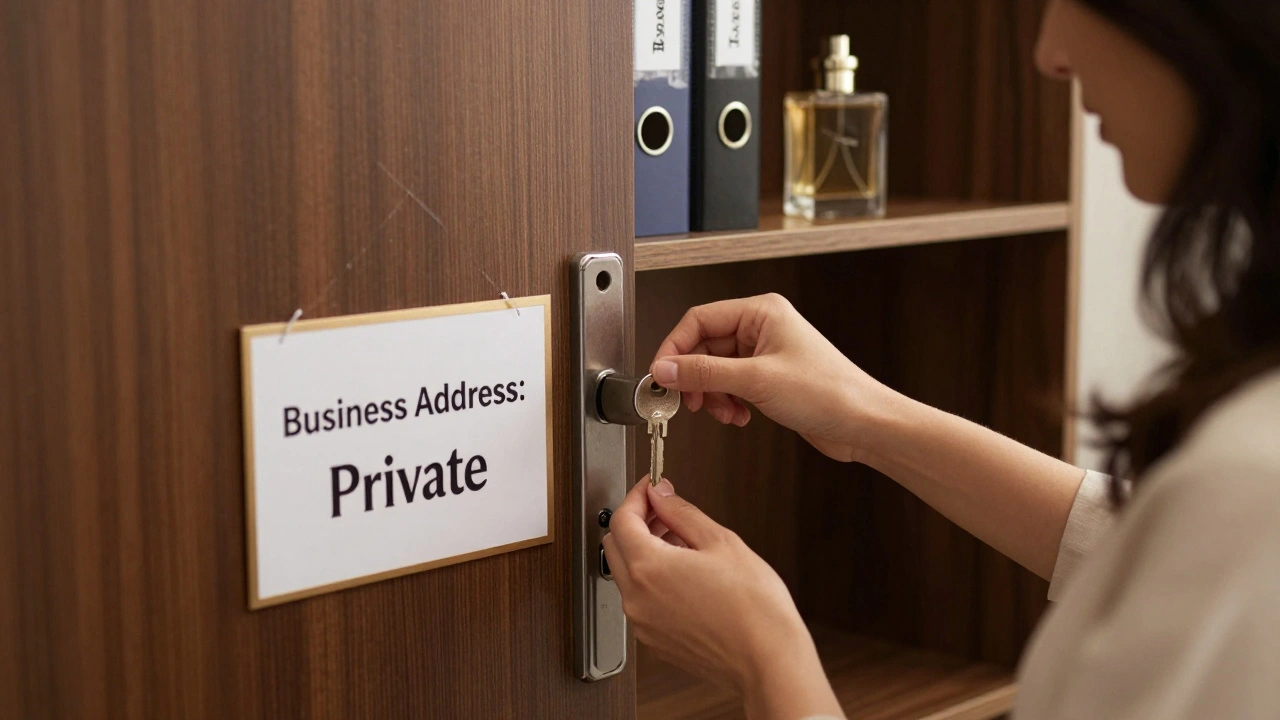
Yes, you can. Many escorts do. You don’t need to tell your landlord unless your contract forbids it. Just make sure you’re not advertising your home address publicly. Use a PO Box or virtual office address for official mail if you’re worried about privacy.
What happens if I get audited?
If HMRC selects you for an audit, they’ll send a letter asking for your records. Stay calm. You don’t need a lawyer unless they suspect fraud. Bring your expense receipts, income logs, and proof of registration. If you’ve kept good records, you’ll pass without issue. Most audits are just checks - not punishments.
Can I claim for makeup and clothes?
Yes, if you can prove they’re used only for work. If you buy a dress you wear only for client meetings, you can claim it. If you buy everyday clothes that you also wear outside work, you can’t. Keep receipts and note the purpose. A photo of you in the outfit with a dated receipt helps.
Is it legal to work with another escort in the same flat?
It’s legally risky. If you both book clients independently and don’t share income, it’s usually fine. But if you share expenses, schedule together, or have a formal arrangement, HMRC or police may see it as running a brothel. Keep things separate: separate bank accounts, separate bookings, separate clients. Avoid any appearance of control or coordination.
Do I need insurance?
Not legally, but it’s smart. Public liability insurance protects you if a client gets injured on your property or claims something went wrong. It costs around £100-£200 a year. Some platforms require it. Even if you don’t need it, having it gives you peace of mind and shows you’re serious about running a professional service.