Negotiation Tactics Every Adult Work Moscow Worker Should Master
If you work as an escort in Moscow, your income, safety, and peace of mind depend more on how you talk to clients than on your appearance or location. No one teaches you how to set boundaries, handle pushback, or say no without losing a booking. Yet every experienced worker knows: the best tool in your kit isn’t a lock or a phone-it’s your voice.
Know Your Non-Negotiables Before the First Message
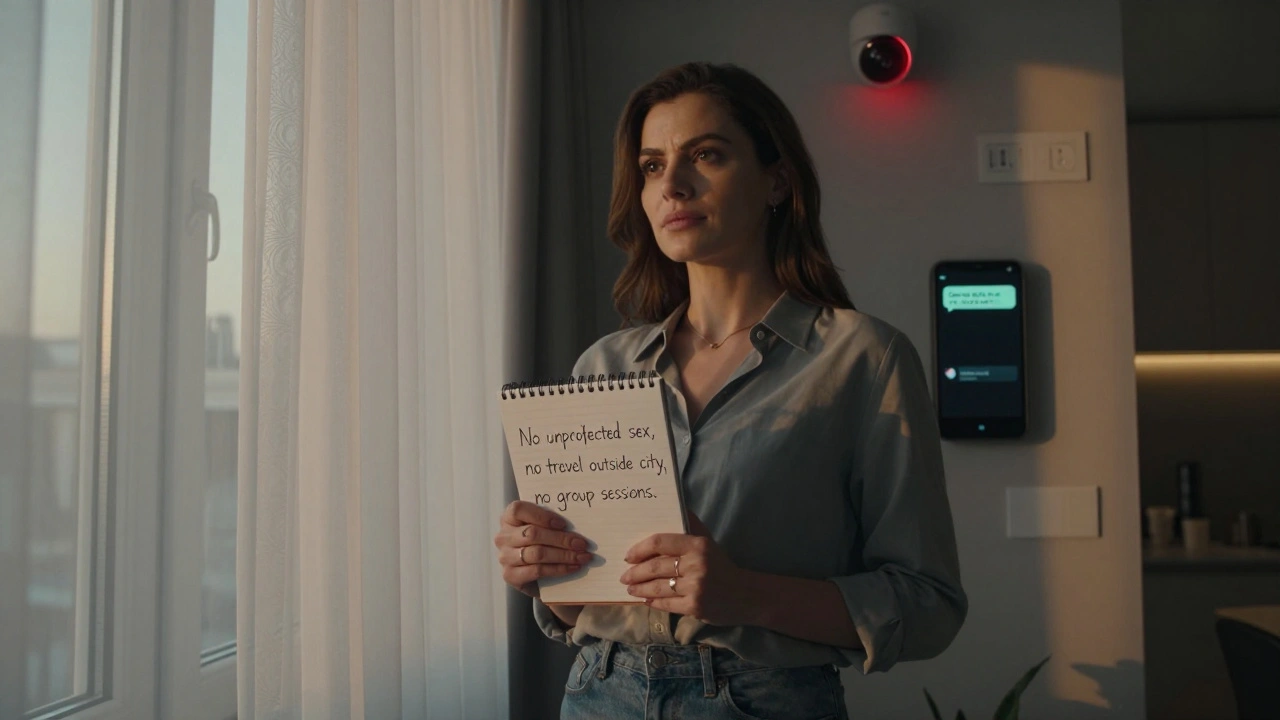
Before you even reply to a client, write down three things you will never do. Not three things you’d prefer to avoid-three things that cross a line you won’t let anyone move. Maybe it’s no unprotected sex. Maybe it’s no travel outside the city. Maybe it’s no group sessions. Write them. Keep them visible. These aren’t suggestions. They’re your legal and physical boundaries.One Moscow worker, Anna, told me she lost three clients in her first month because she kept saying, "I’ll think about it." She didn’t have clear rules. After she listed her non-negotiables on her profile and stuck to them, her no-show rate dropped by 70%. Clients who respect boundaries come back. Those who don’t? You don’t need them.
Use the "Yes, But..." Technique
When a client asks for something outside your limits, don’t say no outright. That triggers defensiveness. Instead, say yes to the intention, then redirect.Client: "Can we do it at your place?"
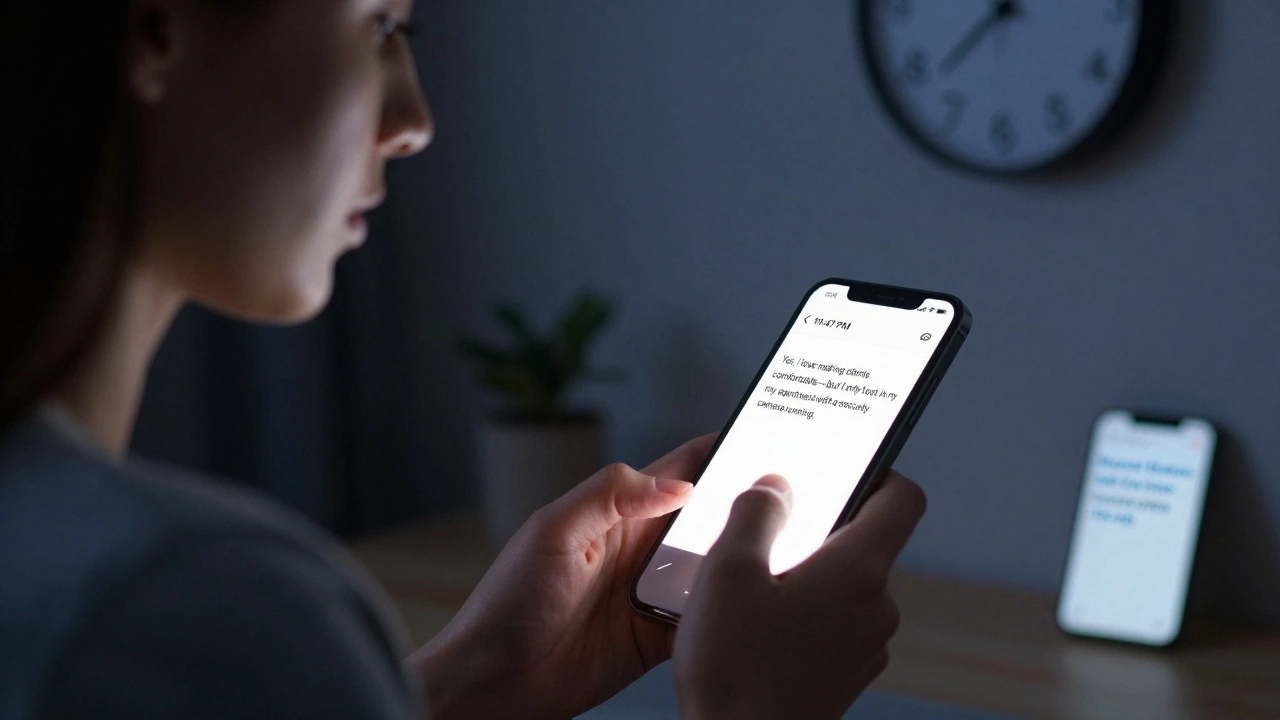
You: "Yes, I love making clients comfortable-but I only host in my apartment with a security camera running. If that works for you, I’m happy to arrange it."
This works because you’re not rejecting the request-you’re offering a version of it that’s safe for you. You’ve given them control over their choice while keeping yours intact. In Moscow, where some clients test limits aggressively, this method reduces conflict and filters out high-risk people before they even arrive.
Control the Timing of the Conversation
Never rush into pricing or details on the first message. Clients who pressure you to commit quickly are often the ones who’ll push boundaries later. Make them wait.Reply with: "I’m currently booking for next week. Let me know your availability and I’ll check my calendar." Then wait 12-24 hours before responding again. This isn’t manipulation-it’s self-protection. It signals that you’re in demand, not desperate. It also gives you time to research the client’s profile, check for red flags, and prepare your terms.
A 2024 survey of 187 Moscow-based workers found that those who delayed pricing discussions by at least 12 hours earned 32% more per session and reported 41% fewer incidents of harassment or last-minute demands.
Price with Confidence, Not Apologies
Never say, "I’m not sure if this is too much," or "I can lower it if you really want." That undermines your value before the client even speaks.Instead, state your rate clearly and calmly: "My rate for a 90-minute session is 8,500 rubles. That includes travel within the city limits and all services listed on my profile."
If they haggle, respond with: "I don’t adjust my rates. But I do offer a discount for repeat clients after three bookings." This keeps your price firm while leaving room for loyalty. In Moscow’s market, where clients expect to bargain, workers who hold their ground earn more over time-not less.
Use Silence as a Tool
After you say no, or after you state your terms, stop talking. Don’t explain. Don’t justify. Don’t apologize.Client: "But I’m a regular customer! Can’t you make an exception?"
You: "I don’t make exceptions."
(Then pause. Wait.)
Most clients will fill the silence with guilt, anger, or a compromise. But if they keep pushing? Block them. Silence isn’t weakness-it’s power. It tells them you’re not emotionally available to be pressured. In Moscow, where many workers feel obligated to please, this one tactic separates those who thrive from those who burn out.
Always Have an Exit Plan
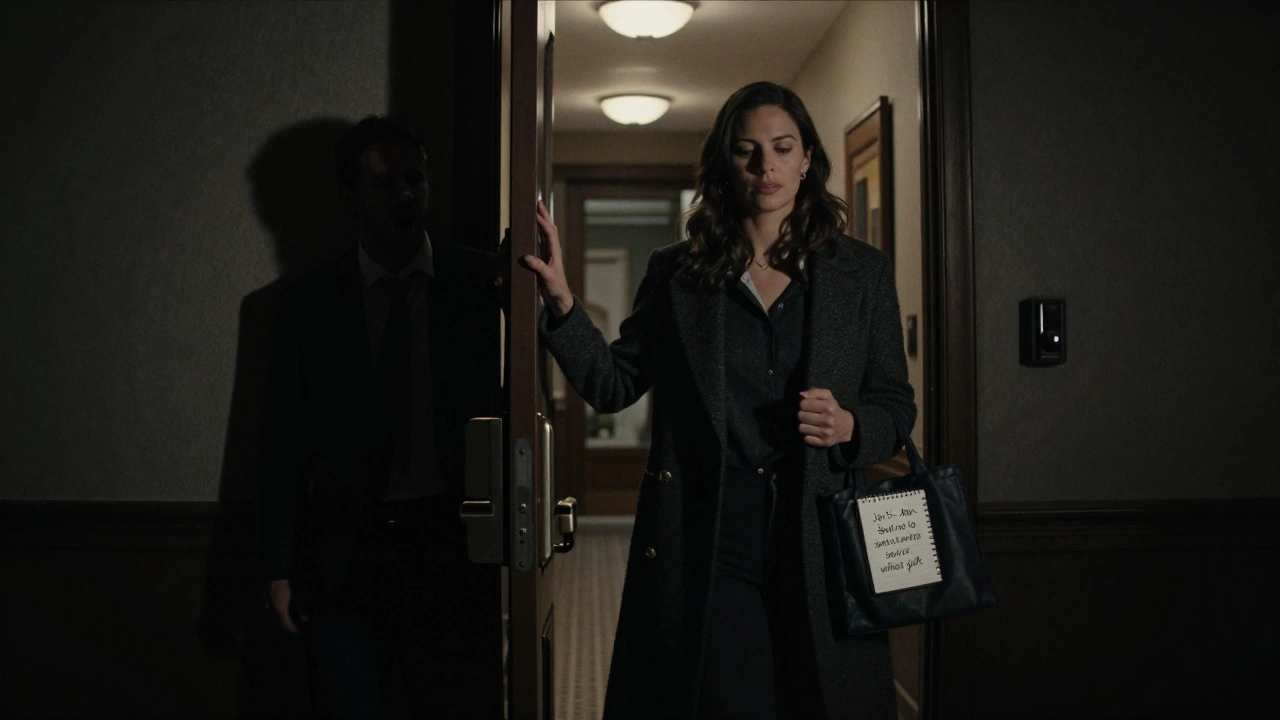
Even the most polite client can turn dangerous. You need a script to leave without drama.Practice this line: "I’m sorry, but I need to end this session now. I’ve already booked my next client, and I need to prepare." Then stand up, turn off the lights, and walk out. Don’t argue. Don’t explain. Don’t say "I’m sorry" again.
One worker in Tverskoy District used this exact script when a client became aggressive after she refused a service. She walked out calmly. He yelled. She called the police from the hallway. He left. No one else was hurt. Her next booking? A repeat client who had heard about her professionalism.
Build a Support Network-Not Just Clients
You’re not alone. There are at least 200 active workers in Moscow who share tips, warn each other about dangerous clients, and check in every Friday night. Join a group. Use encrypted apps like Signal or Telegram. Don’t rely on social media-those are monitored.There’s a private Telegram channel called "Moscow Workers Safe Zone" with 872 members. They post client names, license plates, and warning signs. One member once spotted a man who had harassed three workers in different districts. They blocked him together. He never showed up again.
Don’t wait until something goes wrong to reach out. Start now. Even one trusted contact can save your life.
Track Your Wins, Not Just Your Earnings
Keep a simple log: Date, Client (code name), Services, Payment, and One Win.Example:
Jan 15 - "Alex" - 90 min, 8,500 RUB - "Said no to extra service without guilt."
After a month, you’ll see patterns. You’ll notice you’re getting better at saying no. You’ll realize you’re not losing business-you’re attracting better clients. That’s the real win. Money fades. Confidence doesn’t.
Work in Moscow is hard. But it doesn’t have to be dangerous. The difference between survival and thriving isn’t luck. It’s how you speak up.
What if a client threatens to expose me?
Threats like this are almost always empty. In Moscow, clients who risk exposure usually have more to lose-jobs, families, reputations. Document everything: save messages, record call times, take screenshots. If they follow through, report it to a worker safety group. Most have legal contacts who can help. You are not the criminal here. Never apologize for your work.
Should I ever meet a client without a screening call?
Never. Even if they seem polite. Always have a 5-10 minute voice or video call before meeting. Listen for inconsistencies: do they know your profile details? Do they ask about your boundaries? Do they sound calm or overly eager? A real client will respect your process. A risky one will push to skip it. Trust your gut.
How do I handle clients who want to extend the session?
Say: "I can extend for 3,000 rubles per 30 minutes. But only if we agree before the time runs out." Never let them surprise you. If they didn’t ask in advance, don’t agree on the spot. Walk away if needed. Your time is your currency. Don’t let anyone steal it.
Is it safe to use the same address for every booking?
It’s risky. If one client reports you, your address could be flagged. Use rotating locations: a friend’s apartment, a short-term rental, or a hotel room booked under a pseudonym. Many workers in Moscow use Airbnb rentals with 24-hour check-in. It’s more expensive, but it keeps you anonymous and safer. Your safety is worth the cost.
What should I do if I feel unsafe during a session?
Your priority is to get out safely. Don’t argue. Don’t fight. Use your exit script: "I need to end this now." Leave immediately. Call a trusted contact or a worker safety line. If you can, send your location to someone before you go. Afterward, report the incident to a support group. You’re not weak for leaving-you’re smart.