Privacy Tips: Keeping Your Home and Personal Life Separate from Escort Work
Keeping your home and personal life separate from your escort work isn’t just a good idea-it’s essential for your safety, mental health, and long-term stability. Many people enter this line of work thinking they can blend it seamlessly with their everyday life, but the reality is far more complex. The moment your personal space becomes tied to your professional one, you lose control. And once that happens, the risks multiply: unwanted visitors, exposure to family or friends, legal exposure, and emotional burnout.
Use a separate phone number and device
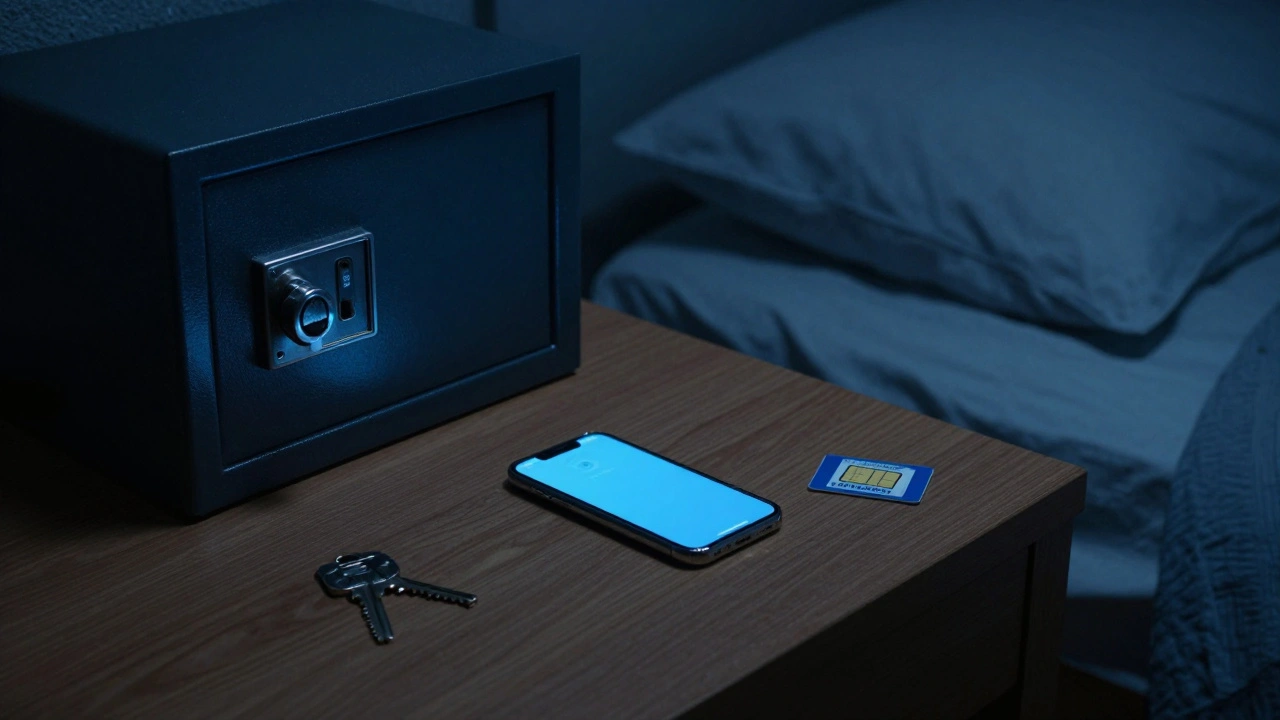
Start with the basics: your phone. Don’t use your personal mobile for client communication. Buy a cheap, prepaid smartphone-no fingerprints, no iCloud backup, no link to your name. Load it with a burner SIM card you can swap out every few months. Use this device only for escort-related calls, texts, and messaging apps. Keep it charged, locked, and stored away from your home. Some escorts even keep it in a locker at work or a trusted friend’s place. This isn’t paranoia; it’s operational security. If a client shows up unannounced, they won’t have your real number to track you down. And if your personal phone gets stolen or lost, your work contacts stay protected.Never let clients know where you live
Your home address is your most sensitive piece of information. Never give it out unless you’re 100% certain of the client’s identity and intent. Even then, avoid using your actual residence. Instead, rent a private room in a serviced apartment, book short-term stays through discreet platforms, or use a professional escort meeting space. If you must meet at your place, use a different entrance, lock off your living area, and never let clients see your personal belongings-photos, mail, kids’ toys, or family photos. A clean, neutral space says professionalism. A cluttered, personal one invites curiosity-and danger.Keep your online presence locked down
Social media is the biggest leak in privacy. Delete or lock down every public profile. No Instagram posts showing your neighborhood. No Facebook check-ins near your apartment. No TikTok videos with your street visible in the background. Even harmless-looking photos-like a coffee cup with a local café’s logo-can be used to triangulate your location. Use a pseudonym everywhere. Don’t post selfies. Don’t tag locations. Don’t accept friend requests from clients, even if they seem harmless. One casual comment like “Just got back from a long day at work” can be misinterpreted. Treat your online identity like a vault: only open it when absolutely necessary.Use separate bank accounts and payment methods
Mixing your escort income with your personal finances is a recipe for trouble. Open a separate bank account just for your work earnings. Use cash apps like Revolut or Monzo that don’t require ID verification beyond a basic phone number. Avoid linking this account to your main one. Pay bills, rent, and groceries from your personal account-never the other way around. If you’re ever audited, investigated, or your bank freezes your account, your personal funds stay untouched. Also, avoid using your real name on payment platforms. Use a stage name or business alias. Some escorts even use crypto wallets for extra anonymity, though that comes with its own risks if you’re not tech-savvy.
Control who knows what about you
Even people you trust can accidentally expose you. Family, friends, roommates-they don’t need to know the details of your work. Not because you don’t trust them, but because trust doesn’t prevent mistakes. A drunken text, a careless comment at a party, a photo tagged online-it only takes one slip. Set clear boundaries. Say, “I have a job I prefer to keep private,” and leave it at that. Don’t feel pressured to explain. You don’t owe anyone your story. If someone pushes, change the subject. If they keep pressing, distance yourself. Your privacy isn’t negotiable. And if someone can’t respect that, they’re not worth your energy.Plan your exit routes-literally and emotionally
Always have a way out. When meeting clients, know your escape plan. Park your car where you can leave quickly. Have a friend on standby who can call you at a pre-arranged time. Use a code word like “How’s the dog?” to signal if you need help. Keep your keys, wallet, and phone on you at all times. Don’t leave anything behind. Emotionally, plan your exit too. This work isn’t forever for most people. Build skills, save money, and create a path out. Maybe it’s a course, a side hustle, or moving cities. Having an exit strategy reduces stress and gives you power. You’re not stuck-you’re choosing.Don’t mix your personal relationships with work
Dating someone you’ve met through escort work? Don’t. Even if it feels romantic, it’s a minefield. The power imbalance, the secrecy, the fear of exposure-it poisons trust. The same goes for friendships. If you’re close with someone who knows about your work, they become a liability. They might slip up. They might get curious. They might even feel entitled to special treatment. Keep your personal relationships separate from your professional life. That doesn’t mean you’re alone-it means you’re protecting your peace.Use a PO box or virtual mailbox for mail
Your mail can betray you. Bills, packages, letters-all of them carry your name and address. If you’re receiving anything tied to your escort work-like contracts, invoices, or promotional materials-don’t send it to your home. Use a PO box or a virtual mailbox service. These services give you a street address without linking it to your real one. Some even scan and forward your mail digitally. This keeps your personal space clean and your records discreet. And if someone does a background check, they won’t find a trail leading to your door.
Document everything-just not where you live
Keep records of bookings, payments, and client interactions. But don’t store them on your personal laptop or phone. Use encrypted cloud storage under a fake name, or keep printed copies in a locked safe at a friend’s house. This isn’t about being paranoid-it’s about protection. If something goes wrong-a dispute, a complaint, a legal issue-you need proof. But you also need to make sure that proof can’t be used against you. Store it where only you can access it, and never where others might stumble upon it.Know your legal rights-and your limits
In the UK, selling sexual services isn’t illegal, but many related activities are. Soliciting in a public place, running a brothel, or controlling someone else’s work are all criminal offenses. Know the law. Don’t let clients pressure you into anything that crosses that line. If you’re unsure, consult a legal aid group that supports sex workers. Organizations like the English Collective of Prostitutes offer free, confidential advice. Understanding your rights gives you power. It also helps you spot when someone is trying to exploit you.Build a support system outside the industry
You don’t have to do this alone. Find people who don’t know about your work but who support you anyway. A therapist who specializes in trauma or boundary-setting. A mentor in a completely different field. A hobby group-painting, hiking, book clubs-where you’re just “Samantha,” not “the escort.” These connections keep you grounded. They remind you that you’re more than your job. And when things get heavy, they’re the people you can call without fear.Can I use my real name on escort websites?
No. Using your real name on escort platforms like AdultWork puts you at risk. Your name can be searched, linked to your address, or exposed in data breaches. Always use a stage name-even if the platform allows your real name. This is one of the easiest and most effective privacy steps you can take.
What if a client shows up at my home?
If a client shows up at your home, do not open the door. Call the police immediately. Report it as harassment or trespassing. Most escort platforms have policies against clients seeking out workers’ personal addresses. Save the client’s profile, screenshots of messages, and any evidence. Report them to the platform too. You are not at fault. They violated your boundaries-and the law.
How do I keep my finances separate without raising suspicion?
Open a separate bank account using a pseudonym and a different phone number. Use cash apps or prepaid cards for payments. Pay your rent and bills from your personal account. Never transfer money from your work account to your personal one unless it’s clearly labeled as a salary or gift. Keep receipts and records stored securely offline. Banks don’t care where your money comes from as long as you’re not laundering or evading taxes.
Should I tell my family about my work?
Only if you’re absolutely sure it won’t put you at risk. Most people who enter this line of work choose not to tell family-not because they’re ashamed, but because they want to protect them from stigma, judgment, or even danger. If you do decide to tell, prepare for reactions you might not expect. Have a plan for how you’ll handle questions, silence, or rejection. Your safety comes first.
Is it safe to use the same WiFi for work and home?
It’s risky. Your WiFi network can be traced back to your home address. If you’re using the same network for client communication, booking, or payments, someone with technical skills could link your activity to your location. Use a mobile hotspot from your burner phone instead. Or, if you must use home WiFi, enable a VPN and avoid logging into any work accounts on shared devices.