Survivor Stories: Escaping Exploitation in Dubai's Adult Work Scene
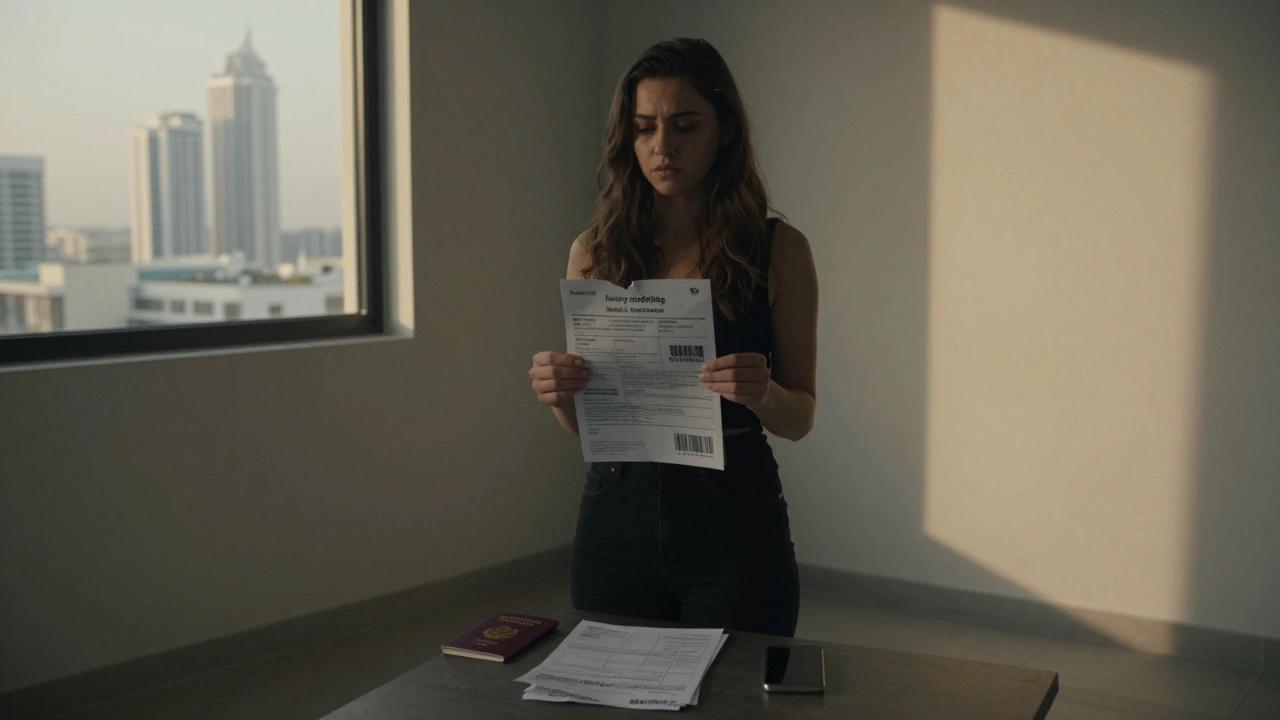
They told her it was a modeling job. A chance to earn big in Dubai-luxury apartments, designer clothes, fast cash. She was 19, from a small town in Ukraine, and desperate to help her family after her father lost his job. By the time she realized the truth, her passport was gone, her phone confiscated, and a man was telling her she owed $15,000 for "training" and "accommodation." She had 12 hours to book 10 clients a day-or face consequences.
This isn’t fiction. It’s the lived reality for dozens of women who end up trapped in Dubai’s underground adult work industry every year. What starts as a promise of opportunity often turns into a nightmare of control, violence, and debt bondage. And for those who escape, the road back is just as dangerous as the one they fled.
How the Trap Is Set
The recruitment starts online. Fake job ads for "hospitality assistants," "event coordinators," or "private companions" flood social media and job boards. They target young women from Eastern Europe, Southeast Asia, and North Africa-places with high unemployment and low wages. The offer? $3,000 to $5,000 a month. Flight paid. Luxury accommodation. No experience needed.
When they arrive in Dubai, the story changes. Their documents are taken. They’re told they signed a contract they never read. The "accommodation" is a small apartment shared with other women, guarded by someone who answers to a manager. The "clients" aren’t tourists looking for company-they’re men paying $300 to $800 per hour for sex. Refusal means no food, threats to family back home, or worse.
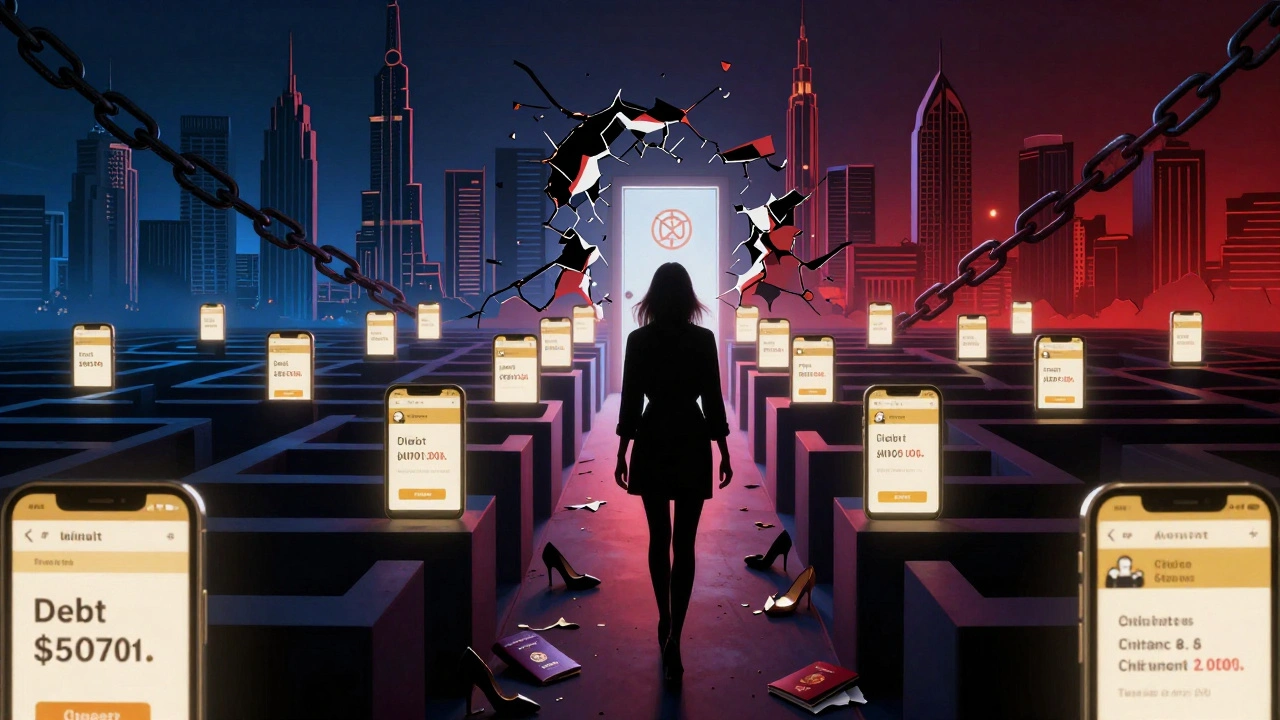
Debt bondage is the key tool. Women are charged for their flight, their "uniforms," their "medical checks," even the water they drink. These fake bills add up to $10,000-$25,000. They’re told they can’t leave until it’s paid off. Some work for months, sometimes years, just to cover the cost of a plane ticket they never agreed to.
Who’s Really in Charge?
Dubai’s laws don’t allow prostitution. But that doesn’t mean it doesn’t exist-it just means it’s hidden. The system runs on corruption and silence. Police turn a blind eye if bribes are paid. Landlords rent apartments to pimps because they pay in cash and don’t ask questions. Even some embassy staff know what’s happening but fear retaliation if they speak up.
The people running these operations aren’t small-time operators. They’re organized networks with connections to human trafficking rings in Turkey, Lebanon, and Russia. Some have ties to legitimate businesses-a travel agency here, a massage parlor there-that act as fronts. They use encrypted apps like Telegram and WhatsApp to coordinate schedules, payments, and movements. They change locations every few weeks to avoid detection.
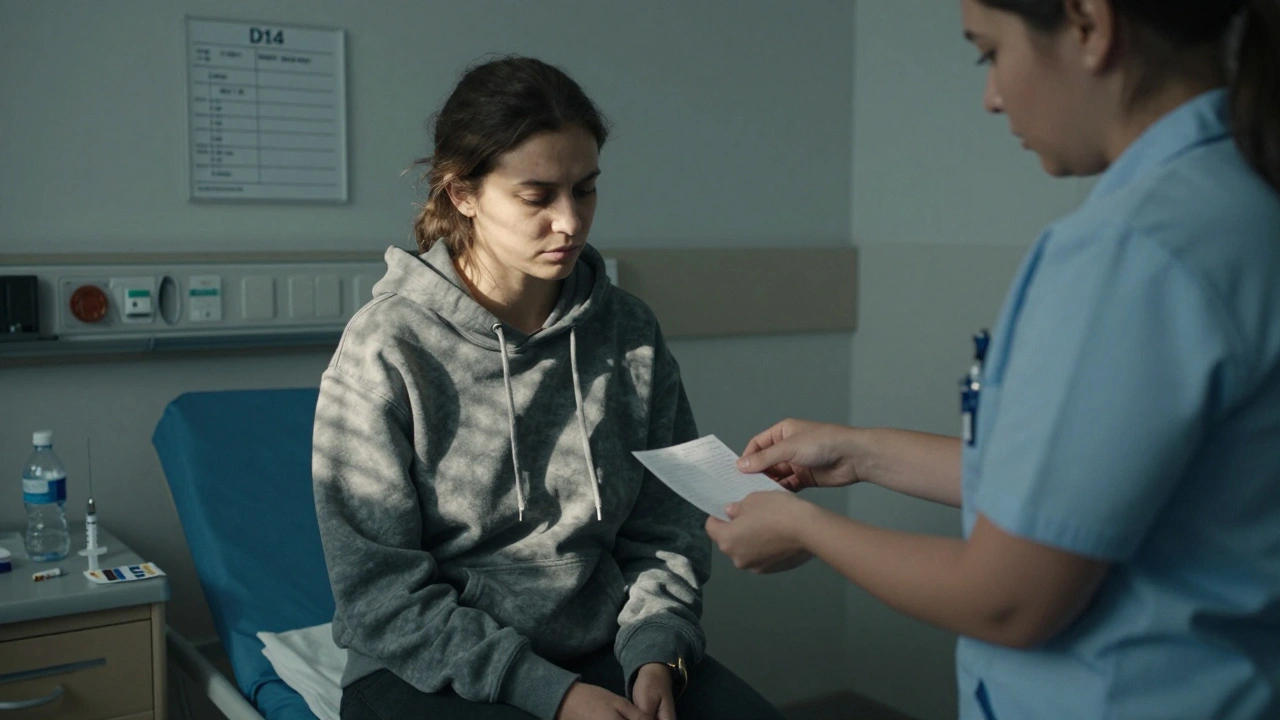
And the women? They’re treated like inventory. Photos are taken, profiles created, and clients assigned based on ethnicity, language, or "appearance rating." One survivor told me she was given a code number: "D14." That’s how she was called in the system-not by her name.
How People Escape
Escaping isn’t a movie moment. It’s not about kicking down a door and running into the street. Most survivors leave slowly, quietly, over weeks or months. They save tiny amounts of cash from tips. They memorize bus routes. They find a sympathetic cleaner, a driver, a nurse who works at the clinic they’re forced to visit. One woman in 2023 managed to slip a note to a doctor during a check-up. The doctor contacted a local NGO.
There are only a handful of groups in Dubai that help these women. The most effective is the Women’s Safety Network a Dubai-based nonprofit offering emergency shelter, legal aid, and psychological support to women escaping exploitation in the adult industry. They work with Interpol and the UAE’s Ministry of Interior, but they’re underfunded and understaffed. They can’t take every case.
Once a woman is out, the real battle begins. Many don’t have valid passports. Some are afraid to go to the police because they’ve been told they’ll be arrested for prostitution. Others are afraid their families will be targeted. Some return home only to face stigma, rejection, or even violence from relatives who believe they brought shame.
The Aftermath: Life After Escape
Survivors don’t just need a place to sleep. They need therapy. They need legal help to clear false criminal records. They need job training-real jobs, not more fake "modeling" gigs.
One woman, now living in the UK, spent two years in counseling before she could say her name out loud without crying. She now works as a peer support worker for other survivors. She told me: "I didn’t want to be a victim. I wanted to be someone who helped others see the light. But it took me a long time to believe I deserved that."
Many survivors end up in countries like the UK, Canada, or Germany, where they apply for asylum as trafficking victims. The process takes months. Some are denied because they can’t prove their story without documents-or because the authorities don’t believe a woman could be trafficked in a "safe" city like Dubai.
What You Can Do
If you’re reading this because you or someone you know is in Dubai and trapped in adult work, here’s what matters:
- Call the Dubai Police Hotline a 24/7 confidential line for reporting trafficking and exploitation at +971 4 608 8888. They have a dedicated unit for trafficking cases.
- Contact Women’s Safety Network a Dubai-based nonprofit offering emergency shelter, legal aid, and psychological support to women escaping exploitation in the adult industry via WhatsApp at +971 50 123 4567. They respond within hours.
- If you’re outside the UAE, reach out to your country’s embassy. Ask for the consular officer who handles trafficking cases. Don’t wait.
Don’t assume someone "chose" this life. Most didn’t. They were lied to, manipulated, and trapped. And they’re not alone.
Common Myths That Keep Women Trapped
Here are the lies that keep women from seeking help:
- "If I leave, I’ll be arrested." False. UAE law protects trafficking victims. You won’t be charged if you report exploitation.
- "My family will be hurt." Real threat? Sometimes. But NGOs can help relocate families under witness protection programs.
- "No one will believe me." Thousands of survivors have been helped. You’re not the first. And you won’t be the last.
- "I owe the money. I have to pay it back." Debt bondage is illegal under international law. You don’t owe anything.
Why Dubai? Why Now?
Dubai’s economy relies on foreign labor. Millions of workers come from countries with weak protections. The city’s wealth and global image mask deep inequalities. While tourists sip champagne on rooftops, women are locked in apartments, working 16-hour days.
Post-pandemic, demand for these services increased. With more tourists and more money flowing through the city, traffickers saw an opportunity. They moved quickly, exploiting gaps in oversight and the fear of reporting.
And because Dubai doesn’t publish data on trafficking, the scale is hidden. But NGOs estimate at least 3,000 women are currently trapped in similar situations across the UAE. Most are under 25. Many are under 20.
Stories That Made a Difference
In 2024, a survivor from Moldova spoke out on a BBC documentary. She didn’t show her face. But her voice did. Within weeks, three more women came forward. One had been in Dubai for three years. Another was 17 when she arrived. All were helped to safety.
That’s how change happens-not with laws alone, but with stories. When someone speaks up, others find the courage to do the same.
If you’re reading this and you’re trapped-call someone. Today. Don’t wait until tomorrow. You don’t have to carry this alone.
Can I get help if I’m not a citizen of the UAE?
Yes. Your nationality doesn’t matter. UAE law protects all trafficking victims, regardless of immigration status. NGOs like the Women’s Safety Network work with international embassies to help you return home safely or apply for asylum in another country.
What if I’m scared to call the police?
You don’t have to call the police first. Contact the Women’s Safety Network via WhatsApp. They’ll guide you through the process, help you stay safe, and connect you with legal support before you ever speak to authorities. Many survivors have been helped this way.
How do I know if I’m being trafficked?
You’re being trafficked if you’re forced to work against your will, your documents are taken, you’re threatened, or you’re forced to pay back impossible debts. It’s not about consent-it’s about control. If you feel trapped, you are.
Can I get a new passport if mine was taken?
Yes. Your country’s embassy can issue an emergency travel document. NGOs can help you contact them anonymously. You don’t need your original passport to get help.
Is it safe to talk about this online?
It depends. Avoid posting your location, name, or photos. Use encrypted apps like Signal or WhatsApp. Reach out to trusted organizations directly. They know how to protect your identity. Silence is what traffickers rely on-speaking up, even anonymously, saves lives.
What Comes Next?
Survivors don’t need pity. They need systems that work. Better laws. More funding for shelters. Training for police and embassy staff. And most of all-people who refuse to look away.
If you’re not in danger but want to help, share these stories. Talk about it. Don’t let the silence keep others trapped.
There are women in Dubai right now, waiting for someone to reach out. Don’t let them wait alone.