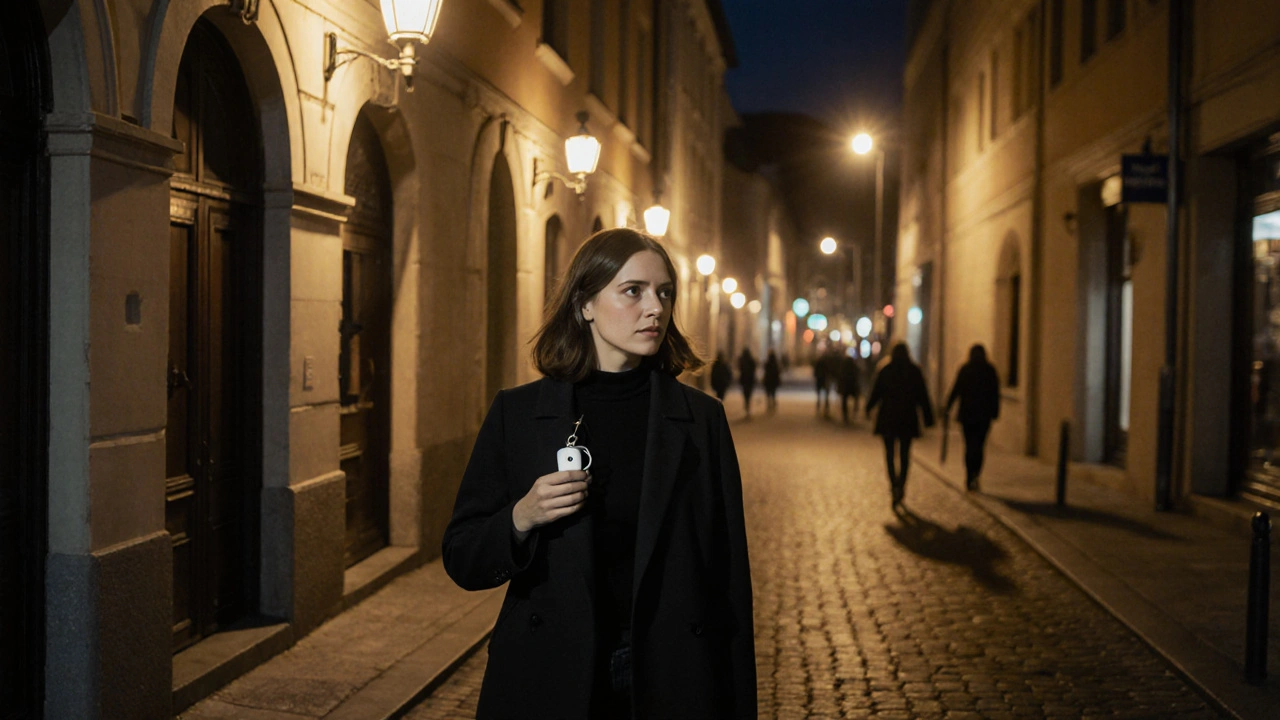
10 Essential Safety Tips for Adult Work in Munich
Essential safety tips for adult workers in Munich, covering client verification, legal rights, personal alarms, payment methods, and emergency protocols to stay safe while working.
Read MoreWhen you're doing Munich sex work, the practice of offering companionship or intimate services in Munich under legal gray areas. Also known as adult work in Munich, it requires more than just a profile on AdultWork—it demands awareness, planning, and clear boundaries. Unlike places where sex work is fully legal or fully criminalized, Munich sits in between. The act of exchanging sex for money isn’t illegal itself, but soliciting in public, running a brothel, or advertising openly can land you in trouble. That’s why safety isn’t just about who you meet—it’s about how you show up, where you operate, and what you know before you walk into a situation.
Adult work Germany, the broader landscape of independent sex work across the country. Also known as escort work in Germany, it’s shaped by local laws, cultural norms, and regional enforcement. In Munich, police don’t routinely arrest individuals for sex work alone—but they do crack down on visible street activity, unlicensed advertising, or situations where coercion is suspected. That’s why most experienced workers use private platforms like AdultWork, avoid street-based work, and never meet clients in isolated or unfamiliar places. Knowing your rights matters too: you can refuse service at any time, record meetings if you choose, and call the police if you feel threatened—even if you’re working. German law protects you as a victim of crime, no matter your profession.
Escorting in Munich, a common form of adult work where companionship is offered with clear, pre-agreed terms. Also known as independent escorting, it thrives on discretion and consistency. The best workers in Munich don’t just rely on luck—they build routines. They screen clients through platform messages, share their location with a trusted friend before every meeting, and avoid cash-only transactions that can’t be traced. They know which neighborhoods are safer for pickups, which hotels allow private check-ins without questions, and which local groups offer free legal advice or health check-ups. You don’t need to be rich to be safe—you just need to be smart.
What you’ll find below isn’t theory. It’s real advice from people who’ve been there: how to spot a scam before you drive to a stranger’s apartment, how to handle a client who crosses a line without escalating things, and where to turn if something goes wrong. These aren’t generic tips copied from a blog. They’re the kind of things you learn the hard way—and now you can learn them before you make a mistake.
Essential safety tips for adult workers in Munich, covering client verification, legal rights, personal alarms, payment methods, and emergency protocols to stay safe while working.
Read More