Women in Adult Work Munich: Empowerment, Safety, and Solidarity
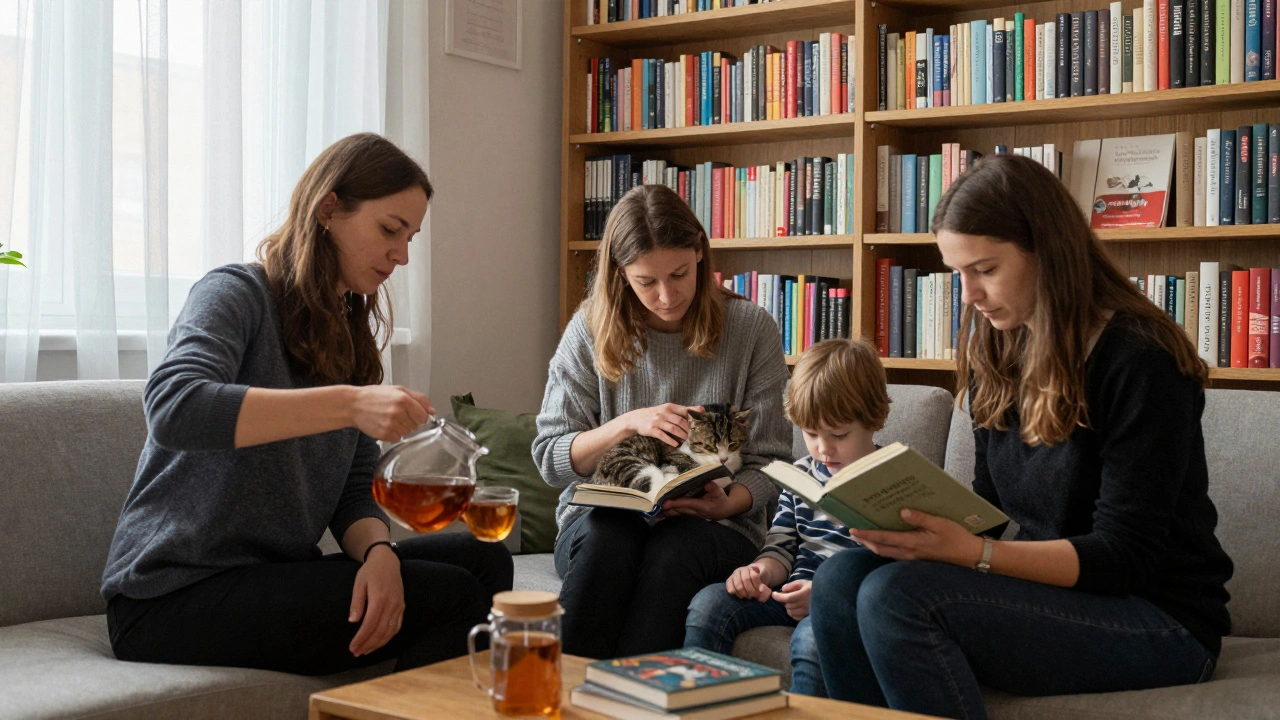
Every day in Munich, women walk into apartments, hotels, and private studios to work as independent escorts, masseuses, or webcam performers. They’re not statistics. They’re mothers, artists, students, and immigrants who chose this work for reasons that have nothing to do with desperation. Yet, outside the city’s quiet doorways, stigma still clings to their jobs like wet rain on wool. What no one talks about enough is how these women are building real power-on their own terms.
Choosing the Work, Not Being Forced Into It
A 2024 survey by the Munich-based organization Women in Work found that 78% of female sex workers in the city entered the industry voluntarily. Many came from countries where formal job opportunities were limited. Others were artists looking for flexible income to fund their projects. A few had degrees in psychology or nursing and used their skills to offer emotional support alongside physical services. One woman, Maria, moved from Colombia to Munich in 2022. She worked in a call center for six months, then switched to escorting. "I made more in one weekend than I did in two weeks at the office," she said. "And I got to choose my hours, my clients, and when to say no." This isn’t about exploitation. It’s about agency. The legal framework in Germany allows sex work to be registered as a legitimate profession. Workers pay taxes, can open bank accounts, and are protected under labor laws. But recognition doesn’t mean acceptance. Society still whispers. Employers still reject applications. Landlords still refuse leases. So women build their own systems-systems that keep them safe and in control.How Safety Is Built, Not Given
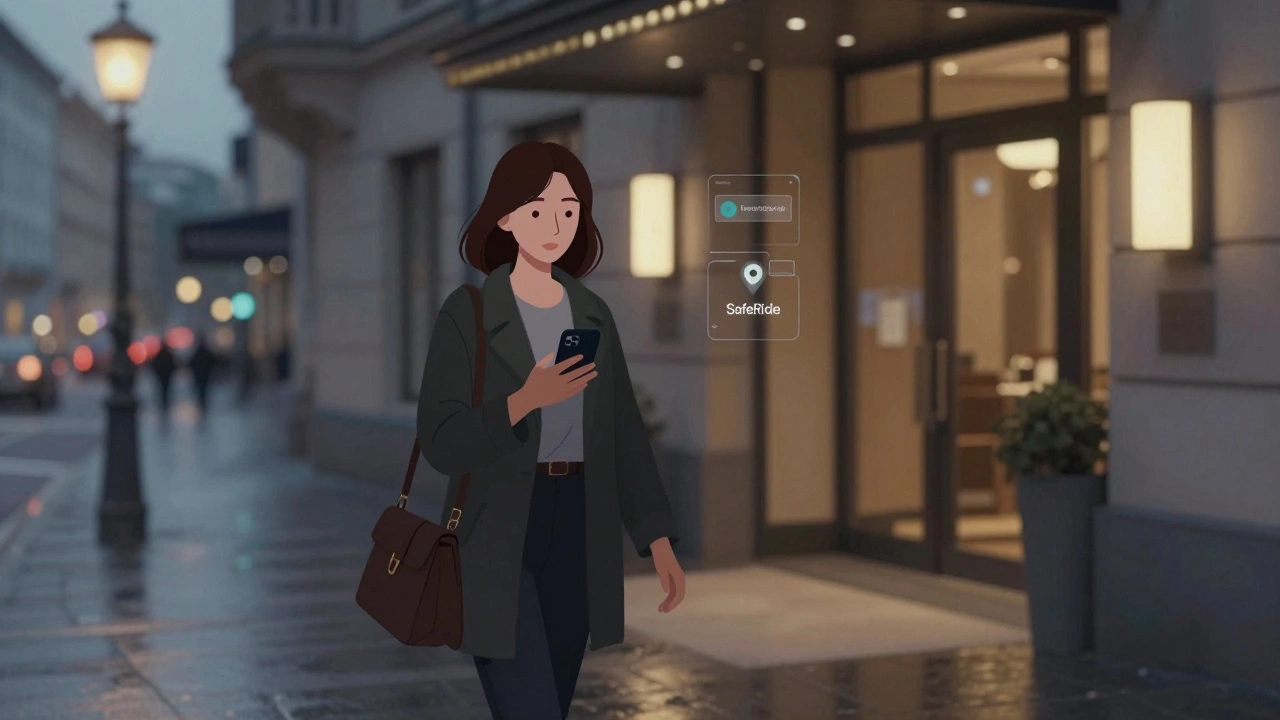
Safety in adult work doesn’t come from police raids or government pamphlets. It comes from shared knowledge and trust. In Munich, women run private WhatsApp groups with over 1,200 members. These aren’t just chat rooms-they’re early-warning networks. If someone reports a client who lied about his identity, demanded unsafe acts, or showed up intoxicated, the message spreads within minutes. Names, photos, license plates, even the type of car a client drives-all get documented and shared.Some women use apps like SafeRide or EscortShield, which let them send live location updates to trusted contacts before meetings. Others carry panic buttons connected to local security firms that respond within 90 seconds. One group of women in the Schwabing district started a rotating buddy system: if you’re seeing a client alone, your friend picks you up. If you don’t check in by midnight, they call the police.
There’s also a network of legal advisors who offer free consultations on contracts, taxes, and how to handle harassment. These aren’t NGOs with big logos-they’re former sex workers who studied law and now volunteer their time. One of them, Lena, used to work in the red-light district before moving into a private apartment. Now she helps women draft client agreements that clearly state boundaries. "A contract isn’t about distrust," she says. "It’s about respect. If someone won’t sign it, they don’t get in the door."
Community Is the Real Power
In 2023, a group of women in Munich launched the first-ever monthly meetup for female sex workers called Stille Hilfe (Silent Help). They meet in a rented room above a bookstore in the Maxvorstadt neighborhood. No cameras. No names. Just coffee, tea, and conversation. Some bring their kids. Others bring their cats. They talk about rent hikes, client behavior, mental health, and how to deal with family members who still don’t understand.They don’t ask for pity. They ask for space. And they’ve created it.
One woman, Anja, started a small library of books on trauma, financial independence, and self-defense-donated by other members. Another organized weekly yoga sessions to help with stress and physical strain. A third runs a podcast called Kein Opfer (Not a Victim), where women tell their stories anonymously. It’s downloaded over 40,000 times in Germany alone.
These aren’t activist rallies. They’re quiet acts of survival. And they’re working.
The Myths That Still Hold Women Back
The biggest myth? That all sex workers are victims. The second? That they’re all trafficked. Both are false-and dangerous.Germany’s Federal Criminal Police Office (BKA) reported in 2024 that less than 3% of sex workers in Munich were identified as trafficking victims. That’s lower than in many other European cities. Most women working in adult work here are German citizens or long-term residents with valid visas. They’re not hiding. They’re working openly, paying taxes, and sometimes even owning property.
Yet, politicians still push for "rescue missions" that shut down apartments and force women into shelters they didn’t ask for. Media still runs headlines like "Young Woman Trapped in Sex Trade"-even when the woman has spoken out against the narrative. The truth? Many women who leave the industry do so because they want to move on-not because they were rescued.
Real empowerment means letting women decide when, how, and why they leave. Not forcing them out.

What Real Support Looks Like
Support doesn’t mean pity. It doesn’t mean charity. It means three things:- Legal recognition: Treat sex work like any other job. No special laws. No stigma in tax filings. No extra scrutiny at banks.
- Access to housing: Landlords shouldn’t be allowed to refuse tenants based on their profession. Some cities in Germany already have anti-discrimination clauses for sex workers. Munich should too.
- Healthcare access: Regular STI testing should be free and confidential. Mental health services should be available without judgment. Right now, many women avoid clinics because they fear being reported or shamed.
There are already models to follow. In Berlin, the nonprofit Prostitution Information Center offers free legal advice, medical check-ups, and even help with retraining for women who want to leave. In Hamburg, municipal housing projects now accept sex workers as tenants without asking questions. These aren’t radical ideas. They’re basic human rights.
What Comes Next
Women in adult work in Munich aren’t waiting for permission to be safe. They’re not waiting for approval to be respected. They’re already doing it-on their own, together, quietly, powerfully.What’s next? More women speaking up. More landlords opening doors. More employers looking past the stigma. More people realizing that dignity isn’t earned by the job you do-it’s a right you already have.
If you want to help, don’t donate to a rescue mission. Don’t sign a petition to ban sex work. Instead, support organizations that let women lead: Women in Work Munich, Stille Hilfe, or ProNetz. Listen to their stories. Amplify their voices. And remember: empowerment doesn’t come from above. It comes from below-from women who refuse to be invisible.
Is sex work legal in Munich?
Yes. Sex work has been legal in Germany since 2002 under the Prostitution Act. Workers can register as self-employed, pay taxes, and access social benefits. They’re protected under labor laws, including the right to refuse clients and set boundaries. However, public spaces like streets or parks remain restricted for solicitation.
Are most women in adult work in Munich victims of trafficking?
No. According to Germany’s Federal Criminal Police Office (BKA), fewer than 3% of sex workers in Munich are identified as trafficking victims. Most are German citizens or long-term residents who chose this work for financial freedom, flexibility, or personal autonomy. The assumption that all sex workers are trafficked is not only inaccurate-it harms those who want to work safely and legally.
How do women in Munich stay safe while working?
Women use a mix of technology, community, and personal boundaries. Many use apps like SafeRide or EscortShield to share live locations with trusted contacts. Others rely on private WhatsApp groups to warn each other about dangerous clients. Some have buddy systems, where a friend picks them up after a session. Many also use written contracts to define services, boundaries, and payment terms. Legal advice is available for free through peer-run networks.
Can women in adult work get housing or bank accounts in Munich?
Legally, yes. But in practice, many still face discrimination. Some landlords refuse to rent to sex workers, and some banks require extra documentation or deny services outright. There are no laws in Munich that protect against this kind of bias. However, organizations like Stille Hilfe are helping women document their income and negotiate with landlords. A few progressive housing co-ops now accept sex workers without question.
What’s the difference between escorting and street-based work in Munich?
Escorting usually means working privately-through websites like AdultWork, apps, or referrals. Workers set their own hours, choose clients, and meet in apartments, hotels, or their own homes. Street-based work is illegal in Munich and carries higher risks: less control over clients, exposure to police, and vulnerability to violence. Most women in Munich avoid street work entirely. The vast majority operate independently and safely from private locations.
How can someone support women in adult work in Munich?
Stop assuming they need saving. Start listening. Support organizations led by sex workers themselves, like Women in Work Munich or Stille Hilfe. Donate to legal aid funds or mental health services tailored to sex workers. Advocate for housing rights and fair banking access. And if you’re a client, treat every interaction with respect-no pressure, no judgment, no entitlement. Real support means giving women control, not taking it away.